The 5 Best Camera Drones for Beginners (2026 Buyer's Guide)
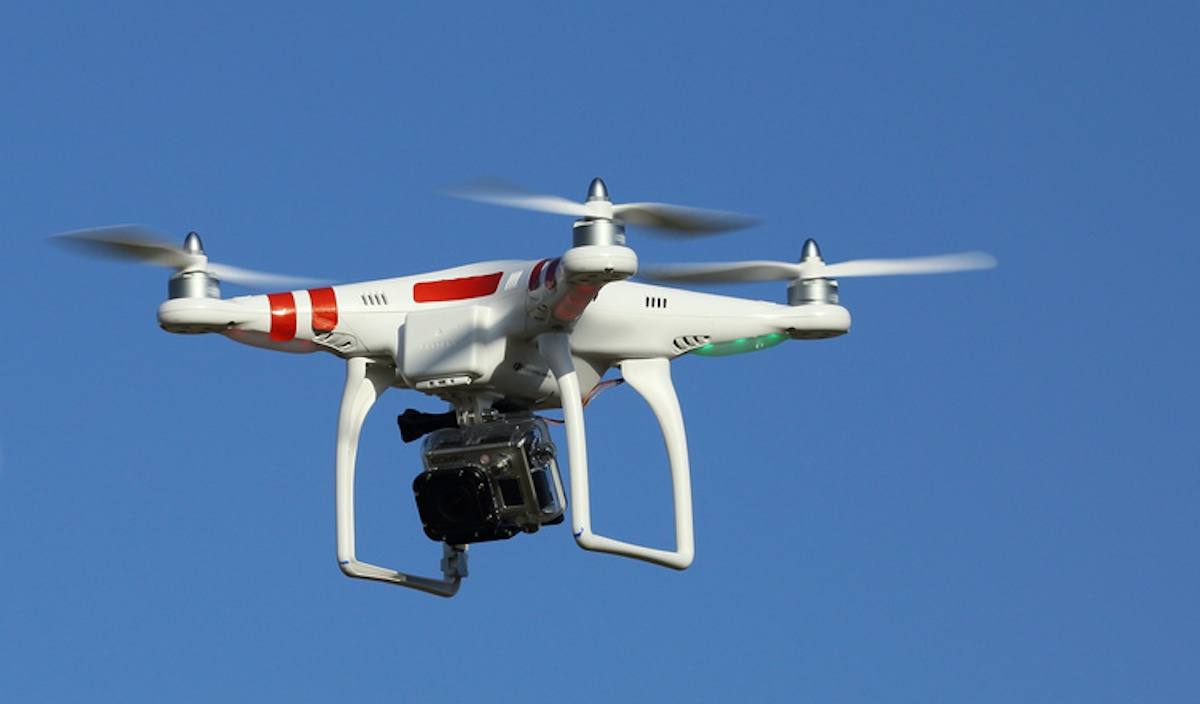
A camera drone is the fastest way to make your photos and videos look like someone else shot them. But the beginner market is a minefield: toy-grade junk with "4K" printed on the box, gray-market imports with no warranty, and genuinely good drones that a first-timer will crash in a week because nobody told them about obstacle avoidance.
This guide is research-based, not sponsored. Specs come from manufacturer data sheets; the practical framing — which drones survive their first month with a beginner at the sticks — comes from owner reports, flight-school instructors, and repair-shop regulars. Every pick is a current model, still sold at major retailers. Nobody paid for placement.
One thing to know up front: in the US, drones under 250 grams flown recreationally don't require FAA registration (you still need to pass the free TRUST test and follow airspace rules). Every full-size pick below sits under that line, which is why the sub-250g category dominates beginner recommendations.
What Actually Matters: The Specs Worth Reading
Weight (The 250g Line)
249 grams is the magic number. Under it: no FAA registration for recreational use, fewer restrictions in many countries, and a drone you can toss in a jacket pocket. Over it: registration, and in the EU, stricter operational categories. For a beginner, sub-250g isn't just convenient — it removes paperwork between you and flying.
Obstacle Avoidance
This is the difference between a beginner drone and a disposable one. Omnidirectional sensing (forward, backward, sideways, up, down) catches the tree branch you didn't see while framing a shot. Forward-only is better than nothing. None at all — common on budget models — means your first distracted moment costs you a drone. Beginners should treat this as mandatory, not optional.
Camera Sensor and Gimbal
Ignore "4K" on the box; ask about sensor size and stabilization. A 1-inch sensor (Mini 5 Pro) collects dramatically more light than a 1/2.3-inch one (Mini 4K) — that's the difference between usable dusk footage and mud. And a 3-axis mechanical gimbal is non-negotiable for smooth video; electronic-only stabilization crops the image and looks worse.
Flight Time and Transmission
Advertised flight times are in hover, no wind — subtract 15–20% for real flying. Anything over 30 minutes per battery is good; budget for at least two batteries regardless. For transmission, DJI's OcuSync/O4 systems hold signal through interference that kills Wi-Fi-based budget drones at half the distance.
The Picks
DJI Mini 5 Pro (2025) — Best Overall Beginner Drone
The Mini 5 Pro (released September 2025) is the first sub-250g drone with a 1-inch 50MP CMOS sensor — previously unthinkable in this weight class. That means 4K/60fps HDR video, 4K/120fps slow motion, 10-bit color, and low-light performance that embarrasses every other drone under 249 grams. Omnidirectional obstacle sensing with forward LiDAR, 36-minute flight time (52 with the Plus battery), and a gimbal that tilts up 60 degrees for true vertical shooting.
For a beginner, the significance is headroom: this is a drone you won't outgrow in a year. The automated flight modes (MasterShots, ActiveTrack 360) do the cinematic work while you learn stick skills, and the obstacle sensing forgives the mistakes every new pilot makes.
Two caveats, both real. First: DJI did not officially release the Mini 5 Pro in the US due to ongoing trade and regulatory disputes — it's available through Amazon third-party sellers and in most other regions, but US buyers should verify warranty coverage before purchasing. Second: at around $759+ it's the priciest beginner option here. If either bothers you, the Mini 4 Pro below is the safe harbor.
Check current price: DJI Mini 5 Pro
DJI Mini 4 Pro (2023) — Best Proven Pick for US Buyers
The Mini 4 Pro (released September 2023) remains the rational buy in 2026: it's officially sold and supported in the US, it's now frequently discounted well below launch price, and it's still an outstanding drone. A 1/1.3-inch 48MP sensor shooting 4K/60 HDR and 4K/100 slow-mo, omnidirectional obstacle sensing, 34-minute flight time, and 249g takeoff weight.
Owner consensus after two-plus years is unusually strong: reliable obstacle avoidance, mature firmware, and a huge accessory and repair ecosystem. For a beginner, buying into a proven platform with years of tutorial content and community knowledge is worth more than spec-sheet bragging rights.
The Mini 5 Pro beats it on camera (1-inch vs 1/1.3-inch sensor) and flight time, but costs more and carries the US availability question. If you want zero drama — buy it today from an authorized dealer with a full warranty — this is the pick.
Check current price: DJI Mini 4 Pro
DJI Mini 4K (2024) — Best Budget DJI Drone
The Mini 4K (released April 2024) is DJI's answer to "I want a real drone for under $300." A 1/2.3-inch 12MP sensor shooting 4K/30, a proper 3-axis mechanical gimbal, 31-minute flight time, 10km OcuSync transmission, and 249g — the fundamentals that separate real drones from toys, at a price that makes a first crash survivable financially.
What's missing versus its bigger siblings: no obstacle avoidance in any direction, no HDR video, and a smaller sensor that struggles in low light. Owners are clear-eyed about this — it's a daylight, line-of-sight flyer. But the flight experience is pure DJI: stable, predictable, and forgiving, which is exactly what a beginner needs to build skills.
If your budget is tight or you're buying for a teenager, start here. Fly it for six months, then decide whether the hobby deserves a Mini 4/5 Pro.
Check current price: DJI Mini 4K
Potensic Atom 2 (2025) — Best DJI Alternative
The Potensic Atom 2 (announced February 2025, ~$330) is the strongest non-DJI beginner drone on the market: a 48MP 1/2-inch Sony sensor shooting 4K/30 HDR, a 3-axis mechanical gimbal, 32-minute flight time, 10km transmission range, AI subject tracking, and 249g — spec-for-spec competitive with the Mini 4K while adding tracking features DJI reserves for pricier models.
Reviewers consistently rate it the best DJI alternative for beginners, praising the smooth 4K footage, the improved controller, and genuinely useful AI tracking modes. For buyers wary of DJI's regulatory situation in the US, it's also the safe non-Chinese-flagship... well, it's still Chinese-made, but it's not DJI, which matters to some institutional buyers.
The honest gap: no obstacle avoidance at all. That's the feature that saves beginner drones, and its absence here is the reason the Mini 4K comparison is close rather than decisive. Fly it in open spaces while you learn, and it's excellent value.
Check current price: Potensic Atom 2
DJI Neo 2 (2025) — Best Ultra-Beginner / Selfie Drone
The Neo 2 (released November 2025) is a different species: 151 grams, full propeller guards, palm takeoff and landing with no controller required, and AI subject tracking that follows you hands-free. It's the drone for people who want aerial selfies and follow-cam footage without learning to fly first.
The 1/2-inch 12MP camera shoots 4K/100fps, obstacle sensing covers all directions (with forward LiDAR), and 49GB of internal storage means no memory card faff. Owners describe it as the least intimidating drone ever made — you literally launch it from your hand.
Tradeoffs: 19-minute flight time is short, the 2-axis gimbal (vs 3-axis on the Minis) means less-buttery footage in wind, and wind resistance tops out lower than the Mini line. This is a second drone or a content-creation tool, not a primary flying camera. But as a first drone for the nervous, nothing is friendlier.
Check current price: DJI Neo 2
Comparison Table
| Drone | Released | Weight | Camera Sensor | Obstacle Avoidance | Flight Time | Standout Feature |
|---|---|---|---|---|---|---|
| DJI Mini 5 Pro | 2025 | 249 g | 1-inch 50MP | Omnidirectional + LiDAR | 36 min | Best camera under 250g |
| DJI Mini 4 Pro | 2023 (current) | 249 g | 1/1.3-inch 48MP | Omnidirectional | 34 min | Proven, full US support |
| DJI Mini 4K | 2024 | 249 g | 1/2.3-inch 12MP | None | 31 min | Best sub-$300 DJI |
| Potensic Atom 2 | 2025 | 249 g | 1/2-inch 48MP Sony | None | 32 min | AI tracking, DJI alternative |
| DJI Neo 2 | 2025 | 151 g | 1/2-inch 12MP | Omnidirectional + LiDAR | 19 min | Palm launch, easiest to fly |
FAQs
Do I need to register a sub-250g drone with the FAA? For purely recreational flying in the US, no — drones under 250g are exempt from registration. You still must pass the free TRUST safety test, follow airspace restrictions (check the B4UFLY app), and keep the drone in visual line of sight. Commercial use always requires Part 107 certification regardless of weight.
What's the big deal with the DJI Mini 5 Pro not being officially sold in the US? DJI skipped the official US launch citing trade conditions and regulatory scrutiny. The drone is available through third-party Amazon sellers and internationally, but US buyers should confirm warranty and return terms with the specific seller — gray-market purchases can mean no manufacturer support.
Is obstacle avoidance really necessary for a beginner? It's the single biggest crash-prevention feature. Beginners crash into things they were looking at through the camera instead of around the drone — sideways and backward sensors catch most of these. If your budget allows a model with omnidirectional sensing, get it; your second drone purchase will thank you.
How many batteries do I need? Two minimum, three ideally. Real-world flight time runs 15–20% under advertised, and nothing kills a flying session like a 60-minute recharge wait. Fly More combos (drone + 3 batteries + charging hub + bag) are usually the best value.
Can I fly these drones indoors? Technically yes for the smallest (Neo 2), practically no for the rest. GPS-dependent drones behave unpredictably without satellite lock, and 249g of spinning propellers indoors is a bad idea around people, pets, and drywall. Learn outside in a big open field.
DJI vs Potensic — does the brand matter? DJI leads on obstacle avoidance, transmission reliability, and ecosystem (tutorials, parts, resale value). Potensic competes on price and features-per-dollar. Given the regulatory clouds over DJI in the US, Potensic is a reasonable hedge — but right now, DJI's flying experience remains the benchmark.
The Bottom Line
Buy the DJI Mini 5 Pro if you want the best sub-250g camera available and the US availability situation doesn't bother you. Buy the DJI Mini 4 Pro if you want a proven platform with full US warranty and support — the smart money in 2026. Buy the DJI Mini 4K if you're budget-limited or buying for a kid. Buy the Potensic Atom 2 if you want AI tracking features and a non-DJI option. And buy the DJI Neo 2 if you want the easiest possible first drone — it practically flies itself.