The 6 Best Flagship Smartphones (2026 Buyer's Guide)
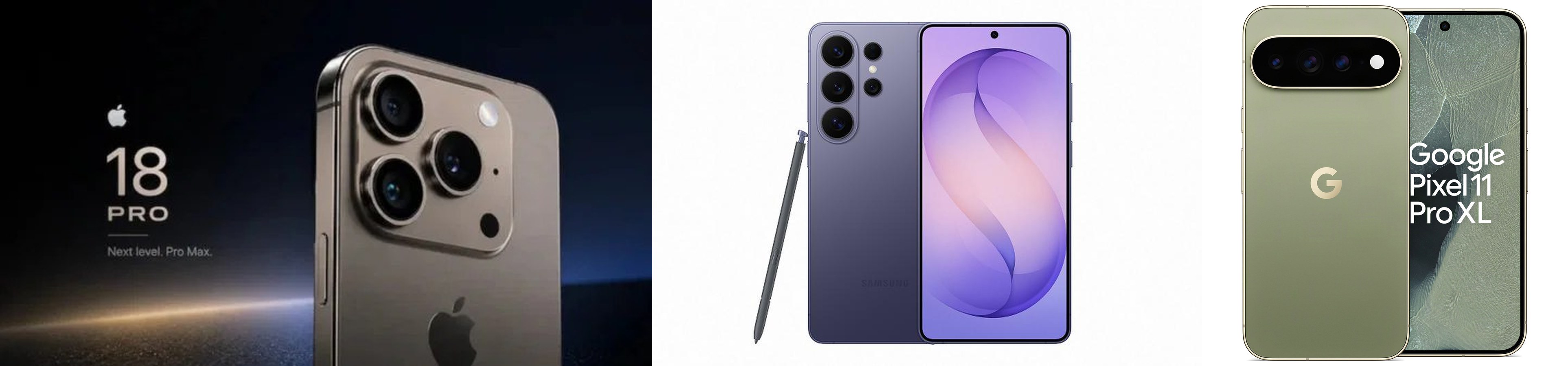
The 2026 flagship market finally broke the mold. Yes, the iPhone 18 Pro Max, Galaxy S26 Ultra, and Pixel 11 Pro XL all start at exactly $1,299 — same price, three completely different philosophies. But the real story is what happened around them: the OnePlus 15 delivering top-tier hardware for hundreds less, the ROG Phone 9 Pro owning mobile gaming outright, and the Nothing Phone (3) proving a $699 phone (on sale from $799) can feel like a flagship.
This guide is research-based, not sponsored. Specs come from manufacturer tech sheets; the practical framing comes from owner reports and reviewer testing across all six phones. Nobody paid for placement, and nothing here is based on hands-on testing by us.
What Actually Matters in a 2026 Flagship
Forget the spec-sheet arms race for a minute. Here's what separates these six where it counts:
Camera Philosophy
Six phones, six answers to "what makes a good camera." The iPhone 18 Pro Max gives you the most control — a variable-aperture 48MP main camera (f/1.48–f/4) plus manual aperture, shutter, and white balance controls. The Galaxy S26 Ultra gives you the most reach — 200MP main plus a 50MP 5x telephoto (10x optical-quality, 100x AI Space Zoom). The Pixel 11 Pro XL gives you the most consistency — pull it out, tap the shutter, get a great photo, every time, with the best selfie camera of the group. The OnePlus 15 gives you the most hardware per dollar — triple 50MP with a 3.5x periscope under $1,000. The Nothing Phone (3) gives you surprisingly close to flagship imaging at $699. The ROG Phone 9 Pro gives you good enough — because its engineering budget went to thermals and triggers instead.
Battery Reality
This is where the old guard looks tired. The OnePlus 15's 7,300mAh cell is roughly 45% larger than the Galaxy S26 Ultra's 5,000mAh — the biggest battery in any 2026 flagship from a major brand, and genuine two-day territory. The ROG Phone 9 Pro's 5,800mAh is second. Apple claims up to 45 hours of video playback on the iPhone 18 Pro Max (the longest ever in an iPhone — Apple doesn't publish mAh), and it's the only $1,299 phone with a realistic shot at two days. Samsung's 5,000mAh feels last-generation next to the Chinese flagships; Google rates the Pixel 11 Pro XL at 30+ hours but doesn't publish its mAh or charging watts.
Software Longevity
Samsung and Google both promise seven years of updates (through 2033). Apple doesn't publish a number, but iPhones historically stay supported 6+ years and hold resale value better than any Android phone. Nothing hasn't published a years-of-updates promise on its official pages — reports suggest five OS upgrades and seven years of security patches, but treat that as unconfirmed. OnePlus's situation is complicated by its confirmed exit from new rollouts in the US and Europe — existing devices are slated for continued support, but confirm the terms. ASUS promises 2 OS upgrades and 5 years of security patches — the shortest window of the six; buy the ROG for what it does today.
The Gaming Question
If mobile gaming is a hobby rather than a pastime, the ROG Phone 9 Pro stands alone: 185Hz display, AirTriggers, headphone jack, side USB-C, bypass charging, and cooling that sustains peak performance. The OnePlus 15 is the runner-up with its 165Hz gaming mode and top-tier chip. Everyone else plays games well; only the ROG is built for them.
Ecosystem Lock-In
Be honest with yourself: if you own an Apple Watch, AirPods, and a Mac, the iPhone's continuity features are worth more than any spec advantage. If you live in Gmail, Google Photos, and Maps, the Pixel's AI integration compounds. If you want desktop-class flexibility (DeX, S Pen, file system access), Samsung is the only game in town. If you just want a fast, clean phone with no ecosystem strings, Nothing OS and OxygenOS are the least entangling options here.
The Price Spread
$699 (Nothing, on sale from $799) to $1,299 (Apple/Samsung/Google), with OnePlus at $899.99–$999.99 and the ROG typically around $1,199.99 (ASUS doesn't publish US pricing). The $600 gap between the Nothing Phone (3) and the $1,299 tier buys you the fastest chips, the best zoom cameras, and brighter displays — but not a better daily experience for most people. The mid-tier is where the value lives in 2026.
The Picks
iPhone 18 Pro Max — Best Overall Flagship
The most complete phone of 2026. The A20 Pro is the first 2nm phone chip — the largest generational silicon leap in years — and it powers everything from the rebuilt Siri AI to 4K60 Cinematic video. The variable-aperture 48MP main camera is the first on any iPhone and genuinely changes what's possible in phone photography: real depth-of-field control without computational fakery. Battery life (up to 45 hours video playback — Apple doesn't publish mAh) is the best Apple has ever shipped, and charging finally reaches ~50% in 15 minutes with a 60W-capable adapter.
Weaknesses: it's the heaviest of the big three at 249g, zoom tops out at 4x optical (Samsung reaches much further), and at $1,299 it's $100 more than last year's Pro Max with steep step-ups ($1,899 for 1TB, $2,499 for the new 2TB tier). But for the buyer who wants one phone that does everything at the highest level — and the best resale value in the business — this is it.
Check current price: iPhone 18 Pro Max
No Amazon listing yet — Apple doesn't sell new iPhones there at launch. Apple.com and carriers are the current options.
Samsung Galaxy S26 Ultra — Best for Power Users
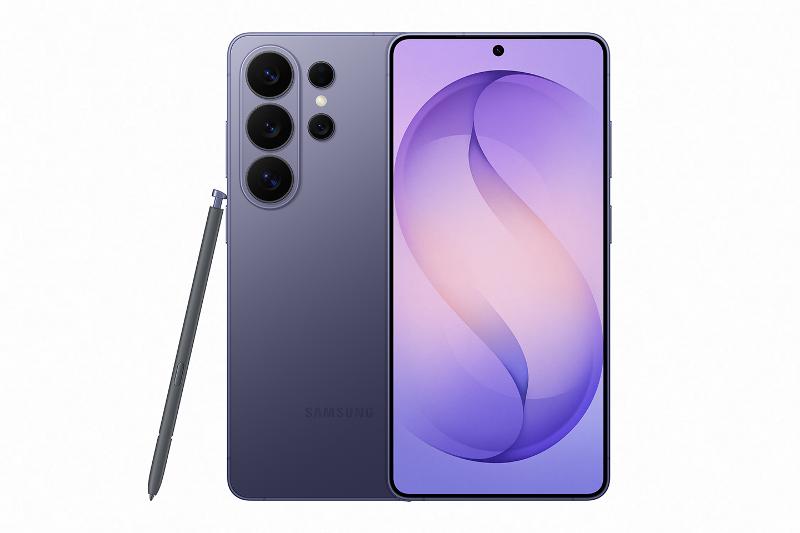
The Swiss Army knife flagship. No other phone combines a 6.9-inch QHD+ display with a built-in Privacy Display (blacks out your screen to anyone but you — Samsung calls it the world's first on a mobile phone), a built-in S Pen, Samsung DeX desktop mode, and a triple-camera array with 200MP main (f/1.4) plus a 50MP 5x telephoto (10x optical-quality, 100x AI Space Zoom). The Snapdragon 8 Elite Gen 5 is the fastest Android chip available, 60W charging is the fastest the S series has offered, and seven years of updates run through 2033.
It's also the lightest and thinnest of the $1,299 trio (214g, 7.9mm) after Samsung's return to an aluminum frame. The tradeoff: the 5,000 mAh battery is the smallest here and feels last-generation next to the OnePlus 15's 7,300mAh cell, and at 1x the camera can't match Apple's variable-aperture creativity or the Pixel's consistency. But as a do-everything device, nothing touches it — and Samsung discounts aggressively, so patient buyers rarely pay the $1,299 sticker.
Check current price: Samsung Galaxy S26 Ultra
Google Pixel 11 Pro XL — Best Camera for Most People
The photographer's flagship. The 50MP main (new 1/1.3-inch sensor) / 48MP ultrawide / 48MP telephoto (120x Pro Zoom) array with Google's computational photography still takes the best photos with the least effort — Night Sight, Best Take, and Magic Editor remain the industry benchmark — and the 42MP front camera is the best selfie shooter on any phone. The 6.8-inch display hits 3,600 nits (brightest of the $1,299 trio), the Tensor G6 (3nm) finally runs cool and fast enough that most users will never feel the Snapdragon deficit, and Android 17 is the cleanest software here with seven years of day-one updates.
The catches: $1,299 is $100 more than last year's XL while base RAM dropped to 12GB (the 16GB/512GB model at $1,419 is the smarter long-term buy), and heavy gamers should look elsewhere. But if your phone is primarily a camera that also does everything else, this is the one.
Check current price: Google Pixel 11 Pro XL
No official Amazon listing found yet — the Google Store and carriers are the current options.
OnePlus 15 — Best Battery Life and Hardware Value
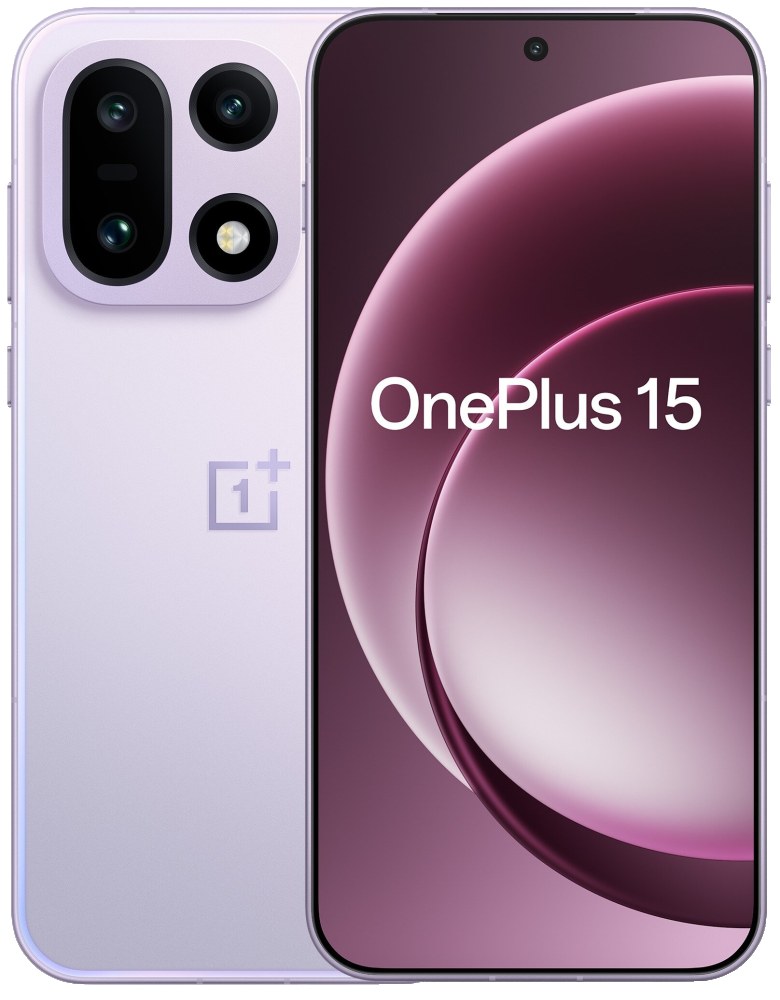
The enthusiast's bargain. Snapdragon 8 Elite Gen 5, a 6.78-inch LTPO AMOLED that pushes 165Hz in supported games, triple 50MP cameras with a 3.5x periscope — and a 7,300mAh battery that embarrasses every rival, at $899.99–$999.99 per OnePlus's US store. On pure hardware-per-dollar, nothing in 2026 touches it: you're getting $1,299-tier silicon and the biggest battery in the flagship class for $300–$400 less.
The asterisk is real: OnePlus has officially confirmed it is concluding product rollouts in Europe and North America — its US store shows "Stop sale" on the OnePlus 15 and the US community forum closes August 16, 2026. Existing devices are slated for continued support, but availability is uncertain and US buyers should confirm support terms before buying. If that uncertainty bothers you, the Nothing Phone (3) offers a similar value philosophy from a company actively selling in the US.
Check current price: OnePlus 15
ASUS ROG Phone 9 Pro — Best Gaming Phone
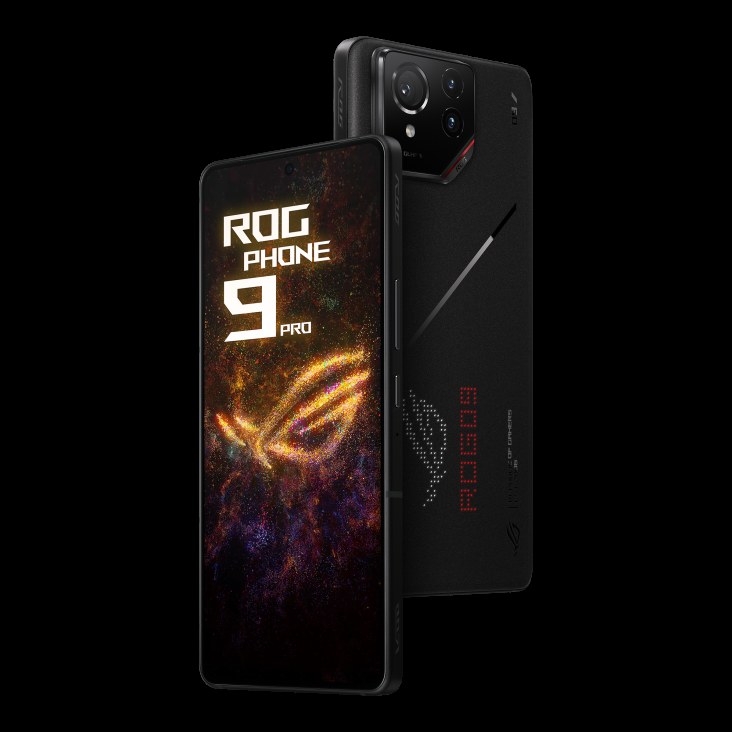
The only phone here built from the circuit board up for gaming. The 185Hz AMOLED is the fastest display on any phone we cover, ultrasonic AirTriggers act as shoulder buttons, the side-mounted USB-C port lets you charge in landscape without a cable in your palm, the headphone jack survives here alone, and bypass charging powers the phone directly from the cable to reduce battery heat during long sessions. The Snapdragon 8 Elite is one generation behind the newest Qualcomm silicon, but ASUS's cooling holds peak performance where thinner flagships throttle.
The tradeoffs: the camera is merely adequate (50MP Sony Lytia 700 main, 32MP 3x telephoto, 13MP ultrawide), software support is the shortest of the six (2 OS upgrades, 5 years of security patches), and at a typical ~$1,199.99 it's not cheap — ASUS doesn't publish US pricing on its official pages. But no other phone at any price does what this one does for serious mobile gaming.
Check current price: ASUS ROG Phone 9 Pro
Nothing Phone (3) — Best Design and Affordable Flagship
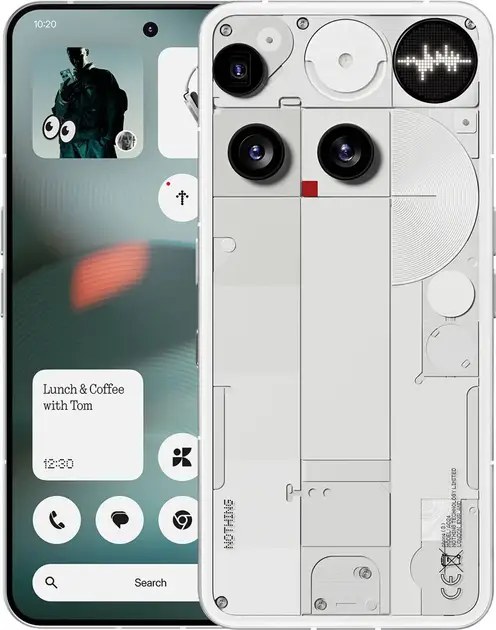
The $699 flagship that dares to look different. The transparent back and Glyph Matrix dot-matrix display make it instantly recognizable in a sea of glass sandwiches, and underneath the personality is a genuinely complete phone: four 50MP cameras, 65W wired charging (faster than the $1,299 phones), 15W wireless charging, clean Nothing OS, and a confirmed NOS 5.0 (Android 17) upgrade on the way.
The Snapdragon 8s Gen 4 is a step below the top-tier chips, and the 6.67-inch display doesn't chase peak brightness records. But at $600 less than the iPhone, Samsung, and Pixel flagships — with official US availability — it's the rational flagship for buyers who find $1,299 absurd on principle.
Check current price: Nothing Phone (3)
Comparison Table
| iPhone 18 Pro Max | Galaxy S26 Ultra | Pixel 11 Pro XL | OnePlus 15 | ROG Phone 9 Pro | Nothing Phone (3) | |
|---|---|---|---|---|---|---|
| Price (base) | $1,299 (256GB) | $1,299.99 (256GB) | $1,299 (256GB) | $899.99–$999.99 | Not published by ASUS; ~$1,199.99 typical | $699 (on sale from $799) |
| Display | 6.9" OLED | 6.9" QHD+ AMOLED, Privacy Display | 6.8" OLED, 3,600 nits | 6.78" LTPO AMOLED, 165Hz gaming | 6.78" AMOLED, 185Hz | 6.67" AMOLED |
| Chip | A20 Pro (2nm) | Snapdragon 8 Elite Gen 5 | Tensor G6 (3nm) | Snapdragon 8 Elite Gen 5 | Snapdragon 8 Elite | Snapdragon 8s Gen 4 |
| Main camera | 48MP, variable aperture | 200MP, f/1.4 | 50MP (1/1.3" sensor) | 50MP triple, 3.5x periscope | 50MP + 32MP 3x + 13MP UW | Four 50MP cameras |
| Battery | 45 hrs video (mAh not published) | 5,000 mAh (31 hrs video) | 30+ hrs (mAh not published) | 7,300 mAh | 5,800 mAh | 5,150 mAh |
| Charging | ~50% in ~15 min (60W adapter) | 60W wired (75% in ~30 min) | 75% in ~30 min (watts not published) | 80W wired / 50W wireless | 65W wired (0–100% in 46 min) / 15W wireless | 65W wired / 15W wireless |
| Updates | ~6+ yrs (typical) | 7 yrs (to 2033) | 7 yrs (to 2033) | Uncertain (confirmed EU/NA rollout exit) | 2 OS + 5 yrs security | Unconfirmed (reports: 5 OS / 7 yrs security) |
| Standout | Variable aperture, 2nm chip | S Pen, Privacy Display, DeX | Point-and-shoot camera | Battery + value | Gaming hardware | Design + $699 price |
FAQs
Which flagship has the best camera in 2026? It depends on what "best" means to you. The Pixel 11 Pro XL takes the best photos with zero effort. The iPhone 18 Pro Max gives enthusiasts the most creative control (variable aperture, manual controls). The Galaxy S26 Ultra has the most versatile zoom range. The OnePlus 15 gives you the most camera hardware per dollar. There's no wrong answer — only different priorities.
Which flagship has the best battery life? The OnePlus 15, by a wide margin — its 7,300mAh cell is roughly 35–45% larger than any rival's. Among the $1,299 trio, the iPhone 18 Pro Max leads (up to 45 hours video playback by Apple's rating).
iPhone 18 Pro Max vs Galaxy S26 Ultra — which should I buy? Buy the iPhone if you're in Apple's ecosystem, want the best chip and the most camera control, or prioritize resale value. Buy the Samsung if you want the S Pen, the best zoom, Privacy Display, DeX, or simply prefer Android's flexibility. Both start at $1,299.
Is the Pixel 11 Pro XL worth $1,299? If photography is your priority — yes. Nothing matches its point-and-shoot consistency, and seven years of day-one updates is unmatched. If you're a gamer or want maximum hardware versatility, the Samsung gives you more phone for the same money.
Should I buy the OnePlus 15 given OnePlus is leaving the US market? Only if you can find one at retail and you've confirmed the software support terms for your unit. OnePlus has officially confirmed it is concluding product rollouts in Europe and North America (its US store shows "Stop sale" on the 15). The hardware value is unmatched, but the regional exit makes this a buy for informed buyers only — not for anyone who wants guaranteed long-term support.
Which phone is best for mobile gaming? The ASUS ROG Phone 9 Pro, decisively — 185Hz display, AirTriggers, headphone jack, side USB-C, bypass charging, and sustained cooling. The OnePlus 15 is the best mainstream alternative for gamers.
What's the best flagship under $1,000? The Nothing Phone (3) at $699 (on sale from $799) is the safest pick — official US availability and a complete flagship experience. The OnePlus 15 ($899.99–$999.99) offers more raw hardware if you can find one and accept the support uncertainty.
Do any of these phones include a charger? Mostly no — the iPhone 18 Pro Max, Galaxy S26 Ultra, Pixel 11 Pro XL, ROG Phone 9 Pro, and Nothing Phone (3) all ship without a charger. The exception is the OnePlus 15: its Amazon listing shows a charger included in the box. For the other five, budget for a USB-C PD adapter if you don't own one.
Which phone holds its value best? iPhones, historically, by a wide margin. Expect the 18 Pro Max to retain significantly more resale value after two years than any Android flagship here.
The Bottom Line
Buy the iPhone 18 Pro Max if you want the single most complete phone of 2026 — best chip, best battery among the big three, most camera control, best resale. Buy the Galaxy S26 Ultra if you're a power user who'll actually use the S Pen, the zoom range, Privacy Display, and DeX. Buy the Pixel 11 Pro XL if the camera is the whole point and you want the best photos with the least work. Buy the OnePlus 15 if you want maximum hardware per dollar and two-day battery — provided you can find one and accept the support asterisk. Buy the ROG Phone 9 Pro if mobile gaming is a primary hobby — nothing else is built for it. Buy the Nothing Phone (3) if you want a real flagship experience for $699 and a phone that doesn't look like everyone else's. Six phones, six right answers — just make sure yours matches your priorities.