Best Hair Clippers for Home Use (2026 Buyer's Guide)
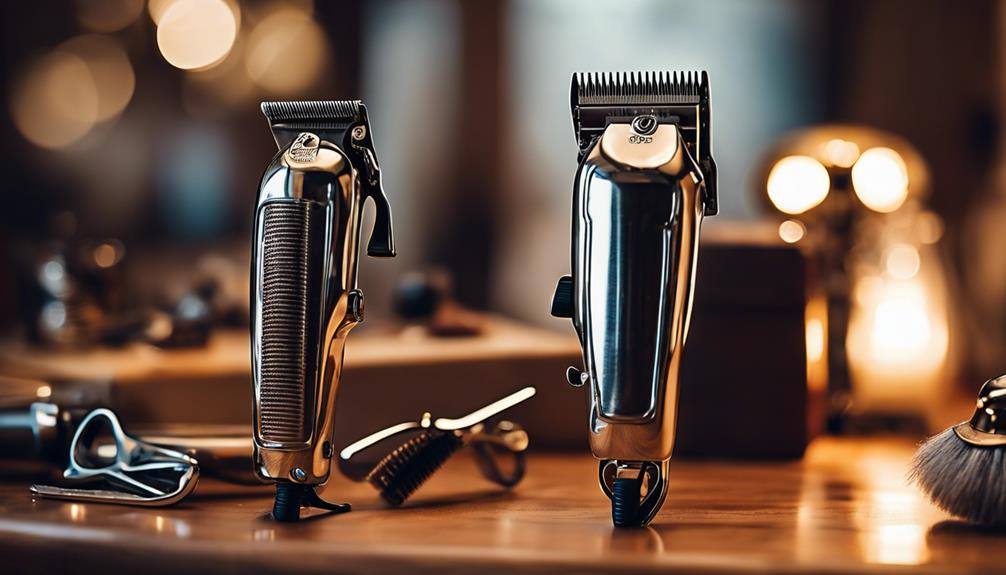
A decent set of clippers pays for itself in three haircuts. The math is simple: a $25 cut every three weeks is over $400 a year, and a good clipper costs a fraction of that and lasts a decade. The catch is buying the right one — underpowered clippers snag, overheat, and turn a twenty-minute cut into an hour of frustration.
This guide is built from manufacturer spec sheets, barber forums, and thousands of verified owner reviews from men cutting their own hair — not sponsored placements. We haven't personally run every clipper here through a full cut, and we won't pretend otherwise. What we've done is cross-reference specs against what home users consistently report after months of actual use.
What Actually Matters in Hair Clippers
Motor type: magnetic, pivot, or rotary. Magnetic motors (Wahl's standard) are fast, light, and great for general home cutting — but they can bog down in very thick hair. Pivot motors are slower but more powerful, handling bulk removal without straining. Rotary motors are the professional workhorse: powerful, quiet, and built for all-day use. For home use, magnetic is fine for most; pivot or rotary if your hair is thick or you cut the whole family's.
Blade quality and material. This is where cheap clippers fail. High-carbon steel blades stay sharp and cut cleanly; titanium or ceramic coatings add durability and run cooler. Adjustable taper blades let you fine-tune closeness without swapping guards. Check owner reviews for "stays sharp" versus "dulled after six months" — it's the most reliable signal.
Corded vs cordless. Corded gives you unlimited runtime and slightly more power — no battery to degrade. Cordless gives you freedom of movement, which genuinely makes self-cuts easier (no cord dragging across your neck). Modern lithium-ion cordless clippers run 60–120 minutes, which is plenty for a home cut. Many of the best now do both.
Guards and taper control. Count the included guards and check the range — 1/16" to 1" covers standard fades and uniform cuts. A taper lever (adjusts blade closeness without changing guards) is essential for blending and fades. Flimsy guards are the top complaint in budget clipper reviews.
Noise and heat. Magnetic motors buzz; rotary motors hum. If you cut at night or have kids sleeping nearby, noise matters. Heat matters on long cuts — cheap blades and weak motors generate heat that makes the clipper uncomfortable to hold.
Wahl Elite Pro
The Elite Pro is Wahl's flagship home clipper and the default recommendation for a reason: self-sharpening high-carbon steel blades, a magnetic motor with 35% more power than Wahl's basic models, and premium metal-reinforced guards that solve the flimsy-guard problem.
Owners cutting their own hair consistently report it powers through thick hair without the snagging that plagues cheaper magnetic-motor clippers. The taper lever is smooth and precise — important for fades — and the included guide combs (1/16" through 1") have metal clips that actually stay attached. It's corded, which means full power for as long as the cut takes, and Wahl's blade quality means owners report years of sharp cutting.
The tradeoffs: it's corded only, so you're managing a cord around your head — fine with a mirror setup, slightly annoying otherwise. The magnetic motor buzzes; it's not the quietest clipper here. And at around 1 lb it's not heavy, but extended upside-down work (the back of your own head) is where you notice the weight.
Best for: the standard home haircut — reliable power, great guards, best value in the category.
Check current price: Wahl Elite Pro Hair Clipper
Oster Classic 76
The Classic 76 is the barbershop legend — the clipper that's been in professional shops since the 1950s, with a rotary motor and detachable blade system. This is the buy-it-for-life pick.
The rotary motor is the story: powerful, relatively quiet, and built to run all day without overheating. Owners report it cuts any hair type — thick, coarse, wet, dry — without hesitation. The detachable blades (it uses Oster's 76 blade system) mean you can swap to a different size in seconds, pop them off for cleaning, and replace them individually when they eventually dull. Detachable blades also run cooler than adjustable ones on long cuts.
The honest downsides for home use: it's heavy (over 1 lb) and loud enough that your household will know you're cutting hair. It ships with only one blade size (typically 000 and 1), so you'll buy additional blades or guards separately — factor that into the price. And it's corded only. This is a professional tool adapted for home, not a home tool — which is exactly why it lasts decades.
Best for: men who want professional-grade power and a clipper that will outlive them.
Check current price: Oster Classic 76 Hair Clipper
Andis Master
The Master is the other barbershop icon — Andis' flagship adjustable-blade clipper with a magnetic motor tuned for speed (14,000 strokes per minute) and a carbon-steel blade that adjusts from 000 to 1 without swapping anything.
Speed is what owners talk about: the high SPM means exceptionally clean cutting on fine to medium hair, and the adjustable blade goes from skin-close to a full 1 guard with a side lever. The all-aluminum housing is a genuine differentiator — it feels indestructible and dissipates heat better than plastic bodies. Barbers have used this exact design for decades, which tells you everything about its durability.
For home self-cuts, the caveats: the magnetic motor, while fast, has less torque than the Oster's rotary — very thick or coarse hair can make it work harder. It's corded only, it's loud (that 14,000 SPM buzz is distinctive), and like the Oster it ships minimal — you'll want a guard set. The uncoated aluminum housing can get warm on long cuts, though less so than plastic.
Best for: precision cutting and fades on fine to medium hair, with barbershop build quality.
Check current price: Andis Master Hair Clipper
Philips Norelco Multigroom 5000 (MG5910/49)
The cordless all-rounder. Philips' Multigroom 5000 is an 18-piece kit built on the company's DualCut self-sharpening steel blades — no oiling, ever — with 11 length settings that cover everything from a tight fade to a uniform crew cut. The lithium-ion battery runs up to 3 hours, which is multiple full cuts between charges.
For self-cuts, cordless is a genuine advantage — owners consistently say not fighting a cord makes the back of the head dramatically easier, and the 5000's balanced body is easy to maneuver blind. The self-sharpening blades earn the same longevity praise as Philips' beard trimmers, and the whole thing is 100% showerproof and washable, so cleanup is a rinse under the tap rather than a brush-and-oil ritual.
The limitations are inherent to an all-in-one: it won't match the raw torque of a corded pro clipper on very thick hair, so take slower passes on dense growth. And 18 attachments means keeping track of combs — the ones you actually use will live on the bathroom counter while the rest gather dust. But as the single cordless tool for self-cuts plus beard and body maintenance, it's the best value in Philips' line.
Best for: self-cuts where cordless freedom matters, plus beard and body work in one kit.
Check current price: Philips Norelco Multigroom 5000 (MG5910/49)
Remington Shortcut Pro
The Shortcut Pro is the specialist: a compact, palm-held cordless clipper designed specifically for self-cuts. Instead of a traditional clipper body, it fits in your palm with a wide curved blade that follows the shape of your head.
Owners who cut their own hair love the ergonomics — the palm grip gives control that's hard to match with a traditional clipper when you're working blind on the back of your head. The extra-wide blade covers more area per pass, and the 9-comb set (1.5–15mm) plus taper control covers standard cuts. It's cordless (40 minutes runtime), washable, and one of the most affordable options here.
It's a compromise by design: the smaller motor and compact blades can't match the Wahl or Oster for power on thick hair, and 40 minutes of runtime is the shortest on this list (fine for one cut, tight for two). Precision detailing and fades are harder with the wide curved blade — this is a maintenance-cut tool, not a barber's instrument. But for keeping a short cut tight between shop visits, it's exactly right.
Best for: quick self-maintenance cuts and keeping a buzz cut or short style tight.
Check current price: Remington Shortcut Pro Hair Clipper
Comparison Table
| Clipper | Motor | Blade | Corded/Cordless | Runtime | Best For |
|---|---|---|---|---|---|
| Wahl Elite Pro | Magnetic | Self-sharpening steel, taper | Corded | Unlimited | Best all-around home clipper |
| Oster Classic 76 | Rotary | Detachable 76 system | Corded | Unlimited | Pro power, buy-it-for-life |
| Andis Master | Magnetic (14k SPM) | Adjustable carbon steel | Corded | Unlimited | Precision fades, fine/medium hair |
| Philips Multigroom 5000 | Rotary | Self-sharpening DualCut | Cordless | 180 min | Cordless self-cuts, easy cleaning |
| Remington Shortcut Pro | Rotary (compact) | Wide curved blade | Cordless | 40 min | Palm-grip self-maintenance |
Frequently Asked Questions
Magnetic vs pivot vs rotary — which motor do I need? For typical home cuts on average hair, magnetic (Wahl Elite Pro) is plenty. Choose pivot or rotary if your hair is very thick or coarse, if you cut multiple people's hair, or if you want the quietest, coolest-running option — that's where the Oster 76's rotary motor earns its keep.
How often do clipper blades need replacing? Quality blades last years. Self-sharpening blades (Wahl, Philips) commonly go 3–5 years of home use. Detachable blades (Oster, Andis) can be resharpened or replaced individually. Replace when you feel pulling or see uneven cutting — and keep blades oiled (a drop every few cuts) to maximize life.
Can I use hair clippers on my beard? You can for bulk removal on a long beard, but clippers are too wide for detailing — you'll want a beard trimmer for shaping and edges. Many men use clippers to knock down length, then a trimmer for the actual styling.
What's the difference between a taper lever and guards? Guards set fixed lengths. The taper lever fine-tunes the blade between guard sizes — essential for blending and fades, where you need gradations rather than steps. If you want anything beyond a uniform buzz cut, get a clipper with a taper lever.
Why do my clippers pull hair? Dull blades, hair packed between the blade teeth, or cutting too much at once. Clean and oil the blades first — that fixes it most of the time. If the clipper is old and the blades are worn, replacement blades are cheaper than a new clipper.
Corded or cordless for cutting my own hair? Cordless is genuinely easier for self-cuts — no cord snagging when you're working the back of your head by feel. Corded gives more power and never dies mid-cut. If you go cordless, make sure it's fully charged before you start, and consider a model that works corded as backup.
The Bottom Line
For most home haircuts, the Wahl Elite Pro is the right buy — proven motor, excellent guards, and a price that pays for itself in two skipped haircuts. If you want the professional-grade option that lasts decades, the Oster Classic 76 is the barbershop standard. Self-cutters should seriously consider the cordless Philips Multigroom 5000 for the freedom of movement. Match the clipper to your hair type and your patience for cords, keep the blades oiled, and you'll wonder why you ever paid for a basic cut.