The 5 Best Weight Benches for Home Gyms (2026 Buyer's Guide)
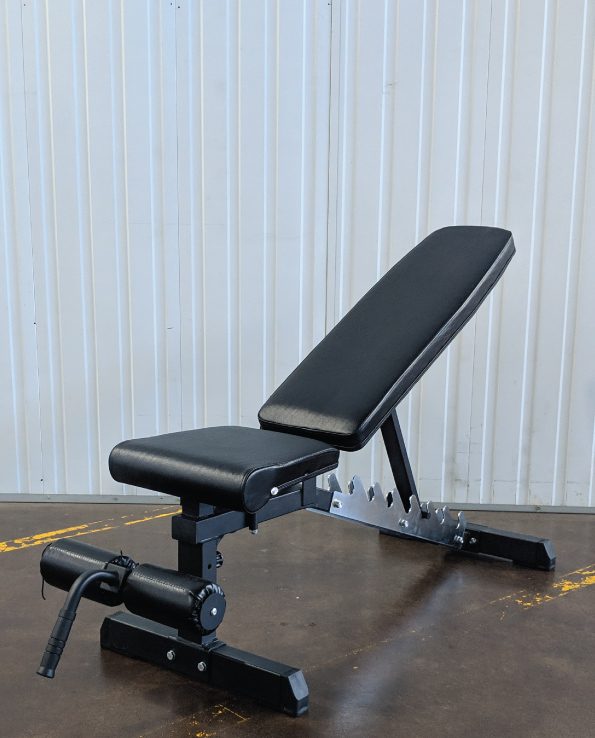
A bench is the backbone of a home gym. Almost every upper-body lift you do — press, row, fly, step-up, hip thrust — runs through it. And yet it's the piece most people cheap out on, then replace six months later when it wobbles under a loaded bar.
This guide is research-based, not sponsored. Specs come from manufacturer data sheets and long-term owner reviews across major retailers; the framing — what actually holds up under real training versus what just looks sturdy in photos — comes from which benches owners still trust after years of heavy use.
The good news: the market is split cleanly between budget foldable benches that punch above their price and premium tanks that last decades. There's no bad pick here — just the right one for your training.
What Actually Matters: The Specs Worth Reading
Bench listings bury the important numbers under marketing. Here's what decides whether a bench survives your training.
Weight Capacity
This is the first number to check, and it means you plus the weight you're moving. A 600-lb capacity sounds like plenty until a 220-lb lifter is benching 250 lbs. Owners consistently report that budget benches feel less stable long before their rated capacity. For barbell work, treat 800 lbs as the real minimum; 1,000 lbs is the comfort zone.
Bottom line: dumbbell-only training — 700+ lbs is fine. Any barbell pressing — get 800+, preferably 1,000.
Flat vs. Adjustable (FID)
Flat benches do one thing and do it perfectly: they're rock-solid, simple, and cheap. Adjustable benches (FID — flat, incline, decline) add 6–12 back positions and multiple seat angles, unlocking incline press, shoulder press, and rows at every angle. Adjustables cost more and have a pad gap at the hinge; flat benches are sturdier per dollar.
Bottom line: buy adjustable if you train chest and shoulders at home — the versatility is worth it. Buy flat if you bench heavy or compete.
Pad Gap
Every adjustable bench has a gap where the back pad meets the seat pad. Cheap benches have a wide, uncomfortable gap that swallows your tailbone on incline work. Good designs keep it to about an inch or eliminate it at common angles. Owners mention this constantly — it's the difference between a bench you love and one you tolerate.
Bottom line: a small pad gap is the mark of good engineering; a big one is a daily annoyance.
Steel Gauge and Frame
Eleven-gauge steel is the commercial standard — thick, heavy, and basically indestructible. Fourteen-gauge and tubular frames are lighter and cheaper but flex under load. Weight of the bench itself is a decent proxy: a 90-lb bench doesn't wobble the way a 28-lb one does.
Bottom line: 11-gauge steel is the "buy it for life" marker.
Pad Height and Width
Competition height is around 17–17.5 inches — low enough for proper leg drive on the bench press. Pads around 11–12 inches wide are the standard; wider "fat pads" (14") support the shoulders better but can restrict arm path on some lifts. Taller lifters should check total pad length too — short pads leave your head hanging off on incline work.
Bottom line: 17–17.5" height and 11–12" width is the sweet spot for most lifters.
Storage and Portability
If your gym is also your garage, this matters. Some benches fold flat in seconds; others stand upright on end; premium ones weigh 90–125 lbs and need wheels and a handle to move. Decide honestly whether your bench will live in one spot or get stowed after every session.
Bottom line: folding benches are for shared spaces; heavy benches are for dedicated gyms.
Our Picks: The Best Weight Benches for Home Gyms
Best Budget: Fitness Reality 1000 Super Max
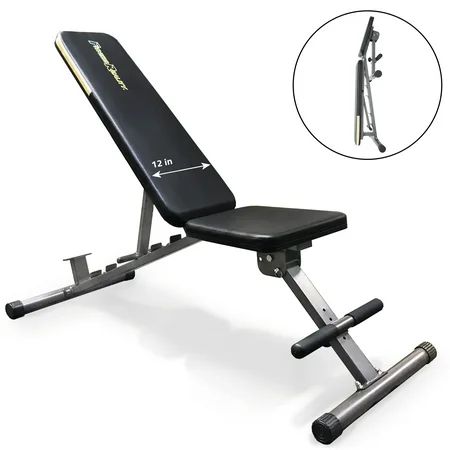
The classic budget champion — around $130, an 800-lb rated capacity, 12 backrest positions from decline to incline, and it folds flat for storage. Thousands of owner reviews averaging around 4.7 stars, and owners consistently praise the stability for the price. The triangular support frame is genuinely clever engineering at this price point.
Key specs: 800-lb capacity, 12-position backrest (-20° decline to +80° incline), 12" x 33.5" backrest, folds flat, 1-year warranty.
Pros: - Unbeatable price-to-capability ratio — full FID function near $130 - Folds flat and has transport wheels — ideal for shared spaces
Cons: - Assembly takes a while and the instructions aren't great - The 800-lb rating is optimistic; it feels happiest under moderate loads
Best for: beginners and budget home gyms — the most bench per dollar on this list.
Check current price: Fitness Reality 1000 Super Max Weight Bench
Best Folding Bench: FLYBIRD Adjustable Weight Bench
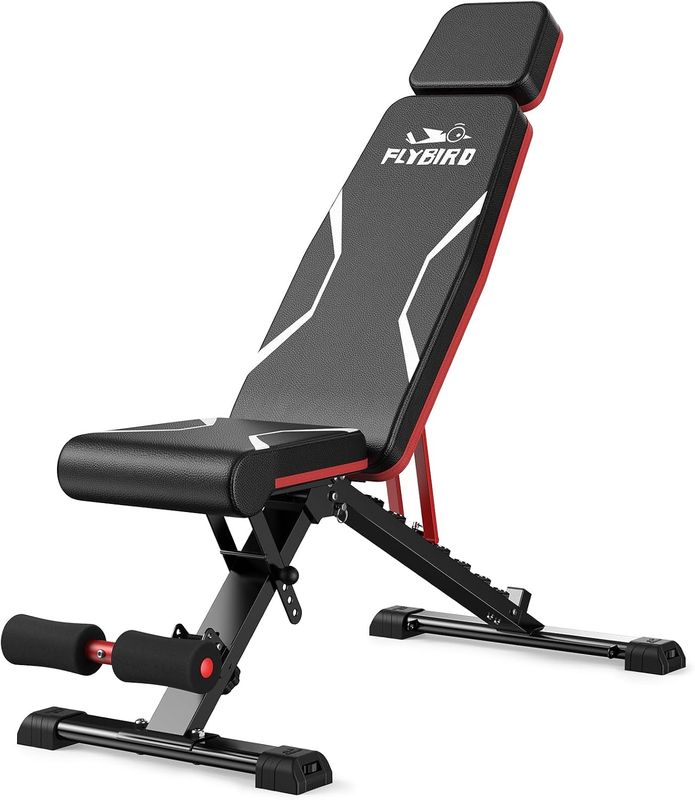
The Amazon bestseller of the category for a reason: over 22,000 reviews averaging 4.5+ stars, a 750-lb capacity, and a design that folds flat in seconds with no assembly. The trapezoidal base is stable for dumbbell work, and the extended backrest option with headrest suits taller lifters. It's the bench people buy when they need it to disappear after every workout.
Key specs: 750-lb capacity, 8 backrest positions, 2" foam padding, folds flat, 1-year warranty.
Pros: - Zero assembly — unfold it and train - Huge owner base with consistently positive long-term feedback
Cons: - Feels less stable under heavy barbell loads — it's a dumbbell bench at heart - Pad and frame are consumer-grade, not commercial
Best for: apartment lifters and anyone whose bench needs to store flat against a wall.
Check current price: FLYBIRD Adjustable Weight Bench
Best Mid-Range Adjustable: REP AB-3000 2.0
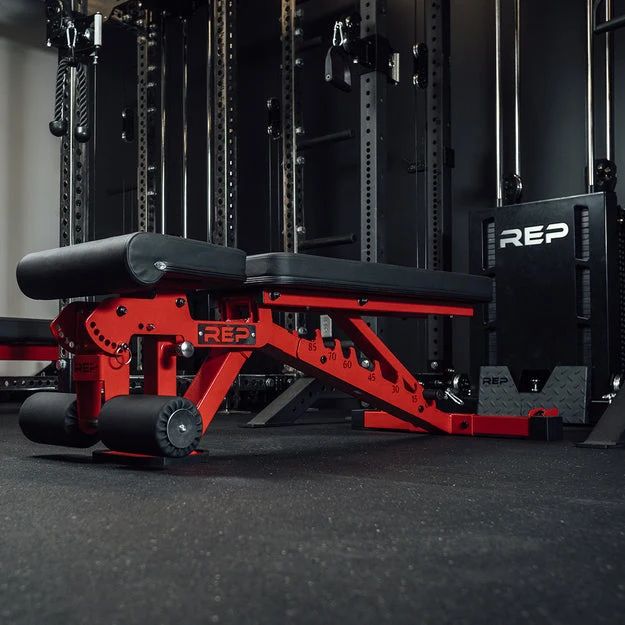
The sweet spot of the whole market. Eleven-gauge steel, a 1,000-lb capacity, 8 back and 5 seat positions (26 combinations), wheels, and a 10-year frame warranty — around $320. Expert roundups consistently call it the best value in adjustable benches, and owner reviews back that up with 4.7+ star averages.
Key specs: 1,000-lb capacity, 8 back positions (-12° to 85°), 5 seat positions, 11-gauge steel, 89-lb bench weight, 10-year frame warranty.
Pros: - Commercial-grade construction at a mid-range price - Handles real barbell work without a wobble
Cons: - Noticeable pad gap at some angles — no zero-gap design here - 89 lbs is heavy to drag around without the wheels
Best for: serious home gyms that want one bench to handle everything, including heavy pressing.
Check current price: REP AB-3000 2.0 Adjustable Weight Bench
Best Flat Bench: REP FB-5000 Competition Flat Bench
If you bench heavy, a flat bench is the honest choice — no hinges, no gaps, nothing to break. The FB-5000 is 11-gauge steel rated to 1,000 lbs, built to IPF competition height (16.9"), with a grippy 4" pad and a tripod foot design that keeps your feet clear for leg drive. A 4.9-star average across hundreds of reviews on REP's own site tells the story.
Key specs: 1,000-lb capacity, 16.9" IPF-standard height, 11-gauge steel, 4" CleanGrip pad, optional 14" wide pad, 10-year warranty.
Pros: - As stable as benches get — tripod design and 1,000-lb rating - IPF height makes it competition-legal for powerlifters
Cons: - Not adjustable — incline work needs a second bench or creativity - Pad swaps (wide/fat pad) cost extra
Best for: powerlifters and heavy pressers who want a bench that will outlive them.
Check current price: REP FB-5000 Competition Flat Bench
Best Premium Adjustable: Rogue Adjustable Bench 3.0
Made in the USA from 3x3" 11-gauge steel, with 10 back positions (0–85°) and 3 seat positions, a premium textured foam pad, and a pad gap of barely an inch. It folds upright for storage and rolls on upgraded wheels. At around $585–$650 plus shipping, it's the most expensive pick here — and owners consistently say it feels like it.
Key specs: 10 back positions, 3 seat positions, 3x3" 11-gauge steel, 125-lb bench weight, 52" pad length, built-in vertical storage, made in the USA.
Pros: - The most solid adjustable bench most people will ever use - Minimal pad gap and excellent pad quality — a real step up in comfort
Cons: - Premium price, and shipping adds meaningfully to it - No decline position; 125 lbs is a lot to move even with wheels
Best for: lifters building a permanent home gym who want the last bench they'll buy.
Check current price: Rogue Adjustable Bench 3.0
Comparison Table
| Bench | Type | Capacity | Back Positions | Bench Weight | Best For |
|---|---|---|---|---|---|
| Fitness Reality 1000 Super Max | FID adjustable | 800 lbs | 12 | ~50 lbs | Maximum bench per dollar |
| FLYBIRD Adjustable | Adjustable | 750 lbs | 8 | ~29 lbs | Folding storage, apartments |
| REP AB-3000 2.0 | FID adjustable | 1,000 lbs | 8 | 89 lbs | Best mid-range do-everything |
| REP FB-5000 | Flat | 1,000 lbs | — | ~62 lbs | Heavy pressing, powerlifting |
| Rogue Adjustable Bench 3.0 | Adjustable | 1,000+ lbs | 10 | 125 lbs | Premium buy-it-for-life |
How to Choose: A 60-Second Decision Guide
- "I need the cheapest bench that actually works." → Fitness Reality 1000 Super Max.
- "My bench has to fold away after every workout." → FLYBIRD — zero assembly, stores flat.
- "I want one bench for everything, including barbell work." → REP AB-3000 2.0 — the sweet spot.
- "I bench heavy and want zero compromises." → REP FB-5000 flat bench.
- "I'm building a permanent gym and buying once." → Rogue Adjustable Bench 3.0.
And the universal rule: check the capacity against your body weight plus your working weight. A bench rated for 600 lbs is not a 600-lb bench for a 250-lb lifter pressing 300.
FAQ
Do I need an adjustable bench or is flat enough?
If your training is mostly flat bench press, rows, and dumbbell work, flat is enough — and sturdier per dollar. Buy adjustable if you want incline press, seated shoulder press, and incline rows at home. Most home gym owners end up wanting the adjustability within a year.
What weight capacity do I really need?
Add your body weight to the heaviest weight you'll move. A 200-lb lifter benching 250 lbs needs at least 450 lbs of real capacity — and budget benches feel less stable well below their rating. For any barbell pressing, 800+ lbs rated capacity is the safe zone.
What is pad gap and why does everyone complain about it?
The gap between the seat pad and back pad on adjustable benches. Wide gaps are uncomfortable on incline work and feel cheap. Good benches keep it around an inch or less. It's the most-mentioned comfort issue in owner reviews, so it's worth caring about.
Can I store a weight bench upright?
Many can — the Rogue 3.0 and most folding benches are designed for it. Check the manufacturer's guidance: storing a heavy bench on end against a wall is fine if it's designed for it, sketchy if it isn't. Folding flat is the safer universal option.
Is a 1,000-lb capacity bench overkill for a beginner?
Not really. Capacity is about stability and longevity as much as load — a 1,000-lb bench simply doesn't wobble, and you'll never outgrow it. If the budget allows, buying the sturdier bench once beats replacing a wobbly one later.
How long does a good weight bench last?
A well-built bench (11-gauge steel, quality pad) lasts 15–20 years in a home gym — the pad upholstery wears first and is usually replaceable. Budget benches last 3–7 years of regular use before the padding compresses or hardware loosens. The warranty length is a decent proxy for expected life.
Verdict
Most home gym owners should buy the Check current price: REP AB-3000 2.0 Adjustable Weight Bench — 1,000-lb capacity, 11-gauge steel, full FID adjustability, and a 10-year frame warranty around $320. It's the bench the mid-range market is measured against. Budget buyers get a shockingly capable bench in the Check current price: Fitness Reality 1000 Super Max Weight Bench, and apartment lifters who need it gone after every session should get the folding Check current price: FLYBIRD Adjustable Weight Bench. Heavy pressers and competitors want the flat Check current price: REP FB-5000 Competition Flat Bench, and the Check current price: Rogue Adjustable Bench 3.0 is the buy-it-for-life pick for a permanent gym.
Whichever you choose, the bench is the foundation everything else sits on — literally. Buy the sturdiest one your space and budget allow, because you'll feel a cheap bench in every single rep.