Best Charcoal Grill for Beginners (2026 Buyer's Guide)
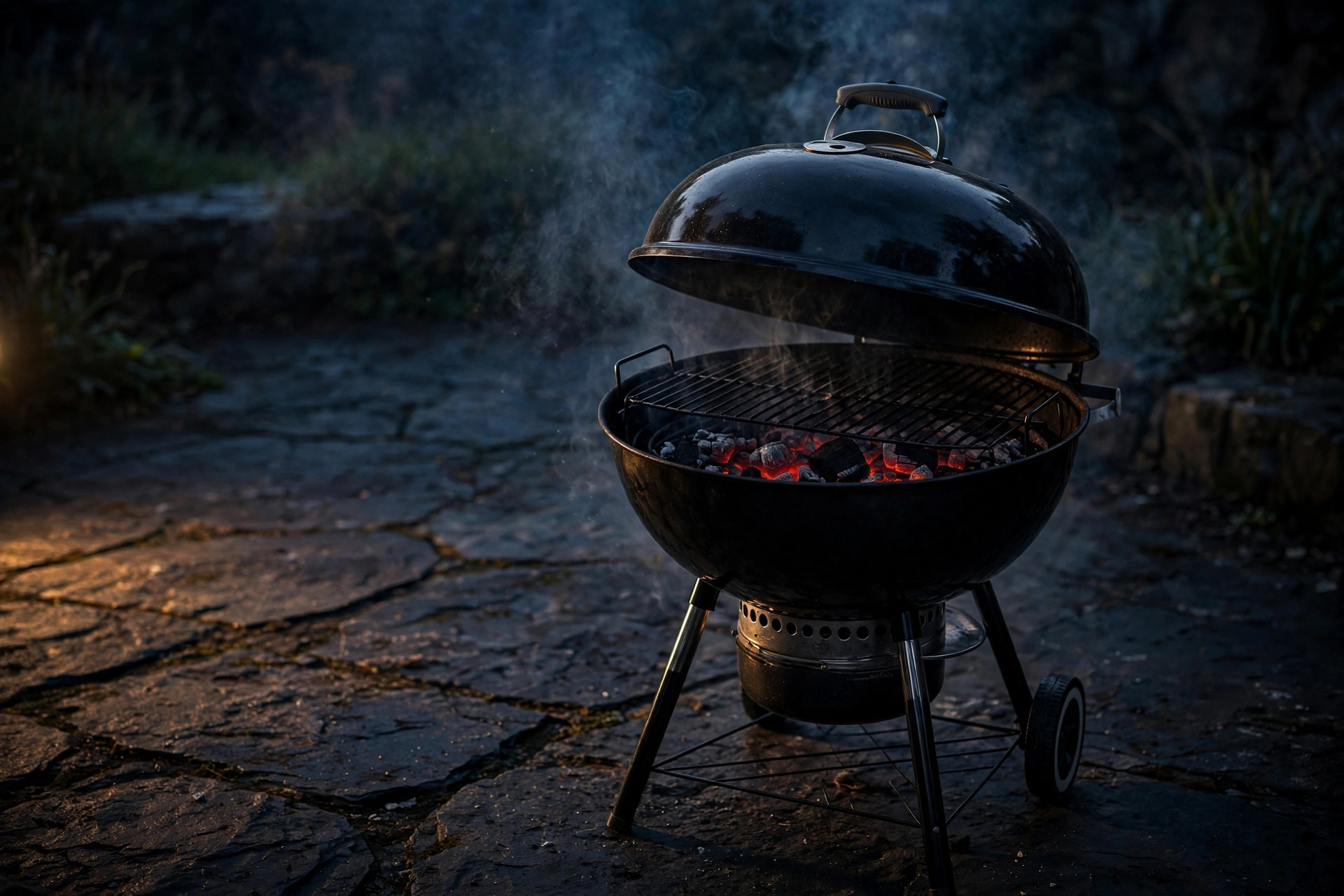
A first charcoal grill should teach you, not punish you. The difference between a beginner-friendly grill and a frustrating one isn't price — it's how easily you can control the heat, how painless the ash cleanup is, and whether the thing is still solid in five years. Get those three right and charcoal stops feeling intimidating.
This guide is built from manufacturer spec sheets, verified owner reviews, and grill-media roundups — not from whichever brand cut a sponsorship deal. We haven't personally grilled on every model on this list, and we won't pretend otherwise. What we've done is the research legwork: cross-referencing specs against what owners actually report after seasons of real cooks.
What Actually Matters in a Charcoal Grill
Cooking area. Measured in square inches. For a beginner cooking for 2–4 people, 300–400 sq in is the sweet spot — enough for a full spread of burgers or a couple of steaks with room to maneuver. Under 200 sq in gets cramped fast; over 500 means you're burning extra charcoal to heat space you don't use.
Heat control (vents and dampers). Charcoal grilling is airflow management. Look for dampers on both the lid and the bowl that move smoothly and stay where you set them. Precise vents are what separate "I can hold 250°F for ribs" from "everything is either on fire or going out."
Ash cleanup. This is the chore beginners underestimate. A removable high-capacity ash catcher or an easy-dump ash pan turns a 15-minute sooty mess into a 2-minute job. If cleanup is miserable, you'll grill less — simple as that.
Build quality and warranty. Porcelain-enameled steel and cast aluminum outlast painted steel by years. A long warranty on the bowl and lid (Weber's 10-year coverage is the benchmark) tells you the manufacturer expects the grill to survive, not just sell.
Size and portability. A full-size kettle is a backyard fixture. If you tailgate, camp, or have a small patio, a portable grill you'll actually bring beats a big one you won't. Be honest about where you'll cook.
Weber Original Kettle Premium 22-Inch Charcoal Grill
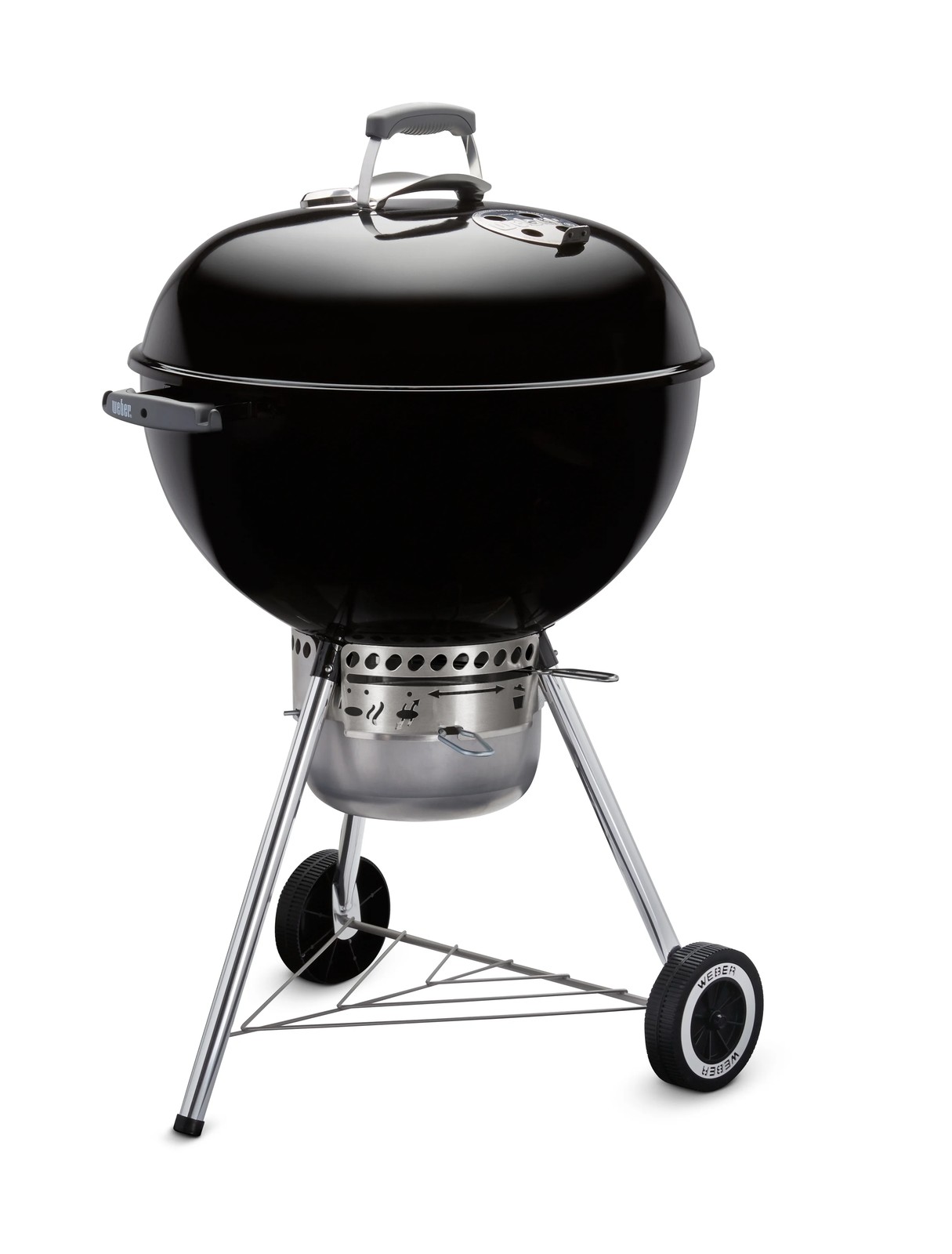
The Original Kettle Premium is the default answer for a reason: it's the grill that teaches you charcoal without fighting you. The 22-inch model gives you 363 square inches of cooking space — enough for up to 13 burgers at once — with a porcelain-enameled bowl and lid that hold heat evenly and won't rust or peel. The hinged cooking grate lets you add charcoal mid-cook without lifting the whole grate off, which is one of those features you don't appreciate until you've used a grill without it.
The One-Touch cleaning system with its high-capacity ash catcher is the real beginner win. Instead of scooping cold ash out of the bowl with a dustpan, you sweep the blades and the ash drops into a removable catcher. The built-in lid thermometer is basic but useful for learning the relationship between vent position and temperature. And the 10-year warranty on the bowl and lid is Weber standing behind the product in writing.
The honest tradeoffs: there's no gas ignition, so you're learning with a chimney starter (which is a skill worth having, but it adds 15–20 minutes to every cook). The three-legged design is stable on flat patios but tippy on uneven ground. And at 22 inches it's a commitment — this is a backyard grill, not something you toss in the trunk. But as a first charcoal grill, nothing else combines this much forgiveness with this much longevity.
Best for: first-time charcoal grillers who want the proven, do-everything classic.
Check current price: Weber Original Kettle Premium 22-Inch Charcoal Grill
Weber Performer Deluxe 22-Inch Charcoal Grill
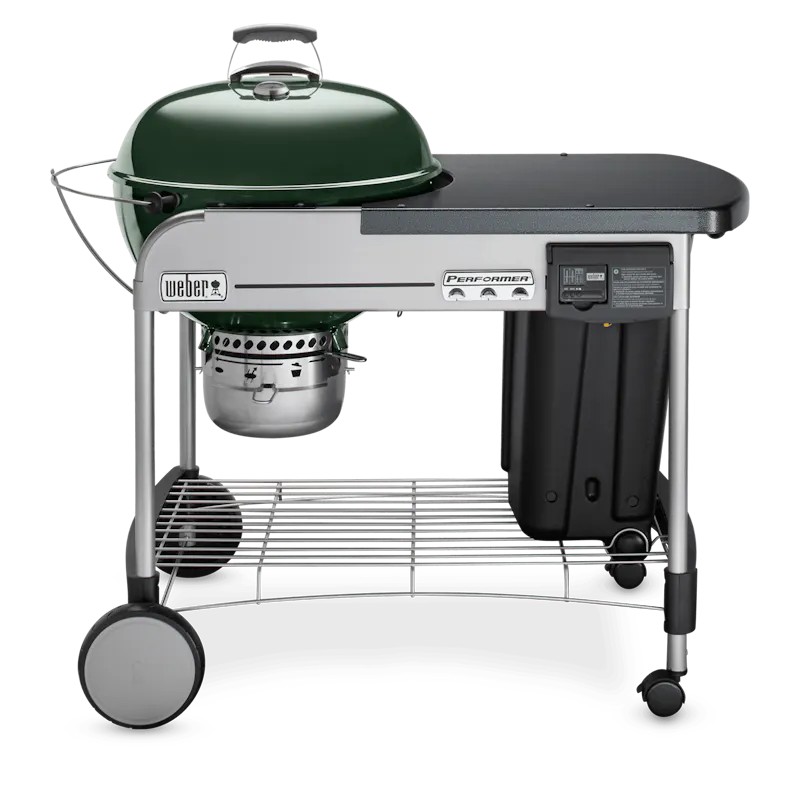
The Performer Deluxe is the Kettle Premium's cooking surface mounted in a full workstation — same 363 square inches of porcelain-enameled cooking area, but with a gas ignition system, a work table, and enclosed charcoal storage. The Touch-N-Go ignition lights your coals with the push of a button (it runs on disposable 14.1 or 16.4 oz LP canisters, sold separately), which removes the single most intimidating step for beginners: getting the fire started.
Beyond ignition, the workstation layout genuinely changes how you grill. The CharBin keeps a bag's worth of charcoal dry and within reach, the metal work table holds your platter and tools, and the Tuck-Away lid holder means you never set a hot, sooty lid on the ground. The hinged GBS (Gourmet BBQ System) grate accepts Weber's insert cookware if you get ambitious later. Cleanup uses the same One-Touch ash system as the Kettle Premium.
The honest tradeoffs: it's roughly three times the price of the Kettle Premium, and at about 91 pounds assembled, it needs a permanent spot — this is furniture, not a grill you move around. You're also buying into the LP canister system; the ignition is a convenience, not a necessity, and a chimney starter costs a fraction. But if the idea of lighting charcoal is what's kept you on gas, this is the grill that bridges the gap.
Best for: beginners who want charcoal flavor without the fire-starting learning curve.
Check current price: Weber Performer Deluxe 22-Inch Charcoal Grill
Char-Griller Akorn Kamado Charcoal Grill
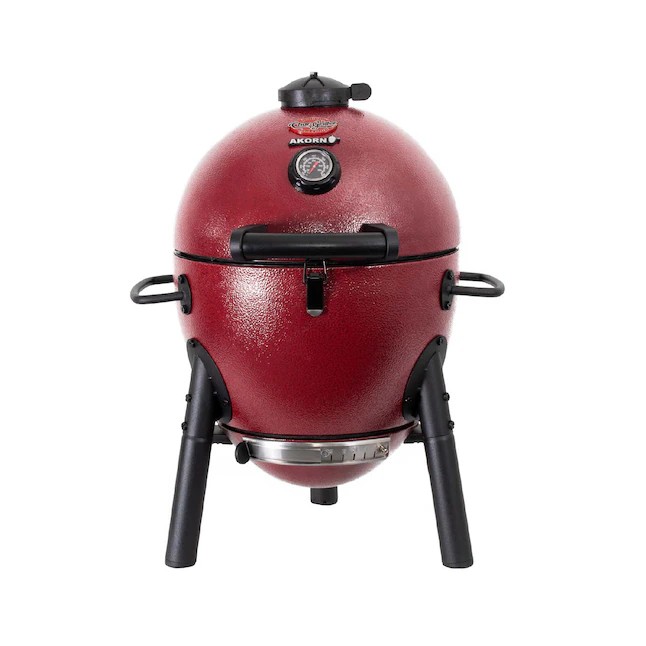
The Akorn is the cheapest honest way into kamado cooking — the insulated, egg-style design that holds low smoking temperatures for hours and sears at pizza-oven heat. Instead of ceramic, Char-Griller uses triple-walled insulated steel, which delivers the kamado heat-retention trick at a fraction of the price: a 200–700°F range that covers everything from low-and-slow brisket to screaming-hot steaks.
You get 447 square inches of total cooking space (314 on the cast-iron main grate plus a 133 sq in warming rack), dual adjustable dampers for fine temperature control, and an EasyDump ash pan that makes cleanup far less miserable than on most kamados. The cart with locking wheels, folding side shelves, and included grate lifter round out a package that feels more expensive than it is.
The honest tradeoffs: this is a lot of grill for a beginner. Kamado temperature control is a skill — the insulated body holds heat so well that overshooting your target means a long wait to come back down. The steel body, while durable, won't last like ceramic if neglected; keep it covered and the cast-iron grates seasoned. And it's heavy — plan on a permanent spot, not a grill you wheel around often. Buy it because you want to learn kamado cooking, not because it was the cheapest big grill.
Best for: ambitious beginners who want kamado versatility — smoking to searing — on a budget.
Check current price: Char-Griller Akorn Kamado Charcoal Grill
PK Grills PK360 Charcoal Grill
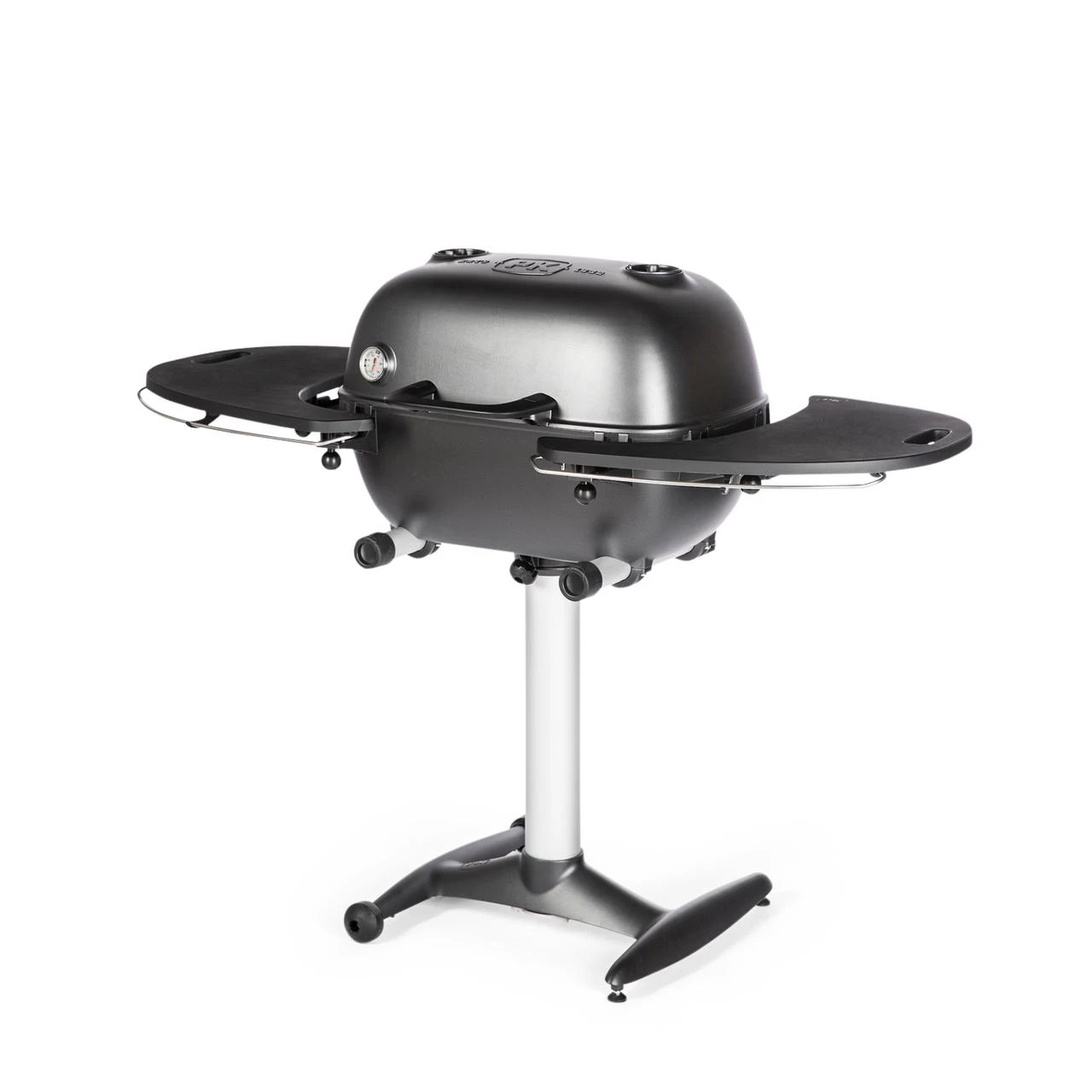
The PK360 is the buy-it-once grill. The capsule — lid and firebox — is cast aluminum, which simply does not rust, and it conducts heat evenly enough that the grill holds steady temperatures with less fussing than thin-steel cookers. The 360 square inches of cooking space sits on a marine-grade stainless steel cooking surface, and the four-point venting system (two intakes, two exhausts) gives you genuinely precise airflow control for both hot-and-fast grilling and low-and-slow smoking.
What owners rave about, consistently, is longevity. These grills get handed down — the cast-aluminum body carries a 20-year warranty from PK Grills, and the capsule detaches from the stand so you can cook it on a tabletop at a tailgate or campsite. The Tel-Tru thermometer is accurate within about 1%, which matters when you're learning to cook by temperature instead of guesswork.
The honest tradeoffs: it's a premium price for 360 square inches — you're paying for the materials and the warranty, not for size. Ash cleanup is the weak point; there's a removable ash plug but no elegant catcher system, so it's more hands-on than the Weber One-Touch. And at around 90 pounds, "portable" means it detaches from the stand, not that you'll carry it far. This is the pick for someone who already knows they love charcoal and wants to stop buying grills.
Best for: committed grillers who want a rust-proof, last-decades cooker.
Check current price: PK Grills PK360 Charcoal Grill
Weber Smokey Joe Premium 14-Inch Portable Grill
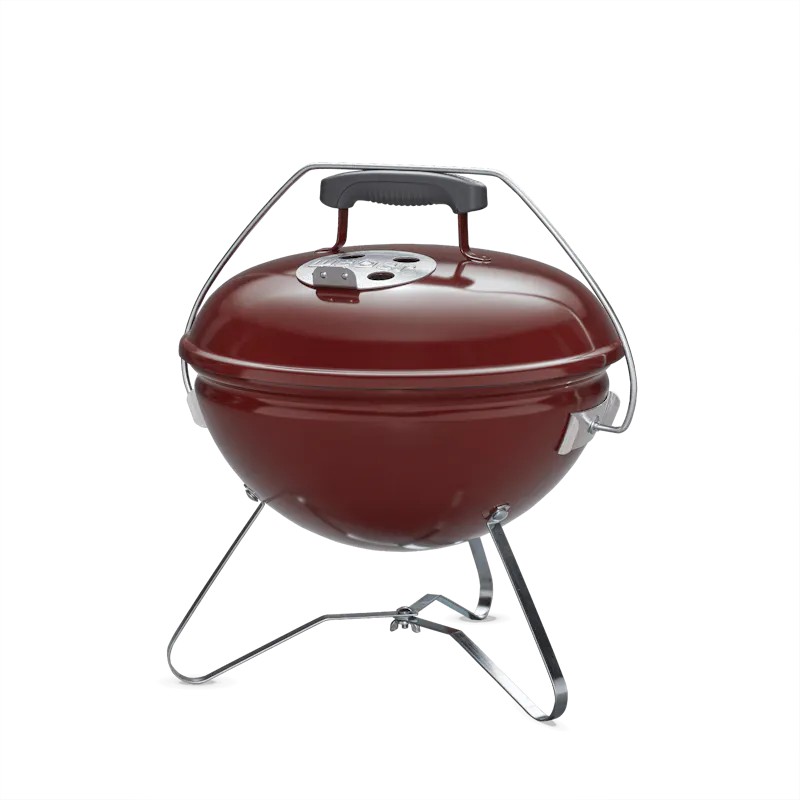
The Smokey Joe Premium is the little Weber that could — a 14-inch portable kettle with 147 square inches of cooking space, a porcelain-enameled bowl and lid, and a Tuck-N-Carry lid lock that doubles as a lid holder. At around 10 pounds, it's the grill you actually bring: tailgates, campsites, beach days, small apartment patios.
For a beginner, it's also the cheapest low-stakes way to learn charcoal. The same vent-control principles apply as on the big kettles, the porcelain enamel holds heat well for its size, and the 10-year bowl-and-lid warranty is unheard of at this price. It holds about five burgers — enough for two people to eat well.
The honest tradeoffs: 147 square inches is genuinely small. There's no room for two-zone cooking (direct and indirect heat at the same time), which is the technique behind most great grilling — you're cooking everything over the coals. There's no ash catcher; cleanup is tipping the bowl out. And the short legs mean you're grilling at knee height unless you put it on a table. Don't buy this as your only grill if you have backyard space. Buy it as your second grill, or as a first grill when space or budget is truly tight.
Best for: small patios, tailgates, and camping — or a low-cost first step into charcoal.
Check current price: Weber Smokey Joe Premium 14-Inch Portable Grill
Comparison Table
| Grill | Cooking Area | Ignition | Ash Cleanup | Warranty (Bowl/Lid) | Best For |
|---|---|---|---|---|---|
| Weber Original Kettle Premium 22" | 363 sq in | Chimney starter | One-Touch + ash catcher | 10 years | Best overall beginner grill |
| Weber Performer Deluxe 22" | 363 sq in | Touch-N-Go gas | One-Touch + ash catcher | 10 years | Easiest fire-starting |
| Char-Griller Akorn Kamado | 447 sq in total | Chimney starter | EasyDump ash pan | 1 year | Budget kamado versatility |
| PK Grills PK360 | 360 sq in | Chimney starter | Ash plug (manual) | 20 years (capsule) | Buy-it-once durability |
| Weber Smokey Joe Premium 14" | 147 sq in | Chimney starter | Tip-out (manual) | 10 years | Portable / small spaces |
Frequently Asked Questions
Kettle or kamado for a first charcoal grill? A kettle. Kamados are more versatile, but their heat retention makes temperature mistakes harder to correct — overshoot and you're waiting a long time. A kettle's thinner walls forgive errors faster, which is what you want while learning vent control.
Can I smoke meat on a regular kettle grill? Yes. Bank the coals to one side, put a water pan on the other, and cook over the cool side with the lid on — that's two-zone cooking, and a 22-inch kettle holds 225–275°F for hours with practice. You won't match a dedicated smoker's capacity, but ribs and pork shoulder are absolutely doable.
How do I control the temperature? With the vents, not the amount of charcoal. More open vents = more airflow = hotter fire. Start with both vents half open, wait 10–15 minutes for the temperature to settle after each adjustment, and make small changes. Chasing the thermometer with big vent swings is the classic beginner mistake.
How much charcoal do I need? For direct grilling on a 22-inch kettle, a full chimney starter (about 80–100 briquettes) covers the grate in a single layer. For longer indirect cooks, bank unlit coals on one side and light one end so they burn gradually — the "snake" or "fuse" method stretches a load for hours.
Do I need a chimney starter? Unless your grill has gas ignition, yes. It's the cheapest, most reliable way to light charcoal — no lighter fluid, no chemical taste, ready coals in 15–20 minutes. It's the single best $20–30 accessory a charcoal beginner can buy.
How do I clean and maintain a charcoal grill? Empty ash after every cook (ash absorbs moisture and corrodes steel). Brush the grates while hot, oil them lightly before cooking, and keep the grill covered. Porcelain-enameled and cast-aluminum grills need the least maintenance; painted steel needs a cover religiously.
The Bottom Line
For most beginners, the Weber Original Kettle Premium 22-Inch is the right first charcoal grill — forgiving heat control, painless ash cleanup, and a 10-year warranty at a fair price. If lighting the fire is the part that intimidates you, the Weber Performer Deluxe removes it with push-button gas ignition. Want kamado versatility on a budget? The Char-Griller Akorn delivers. The PK360 is for the buyer who wants to purchase their last grill first, and the Smokey Joe Premium is the portable or small-space answer. Whichever you choose, buy a chimney starter with it — you'll use it every single cook.
Get the next guide first
One email a week: new buying guides and gear deals worth knowing about. No spam, unsubscribe anytime.
We use your email only for the newsletter. See the privacy policy.
Related guides
Watch on YouTube — Forge Tested
Prefer video? The Forge Tested channel turns these guides into no-fluff video breakdowns.