The 5 Best Ear Protection for Shooting (2026 Buyer's Guide)
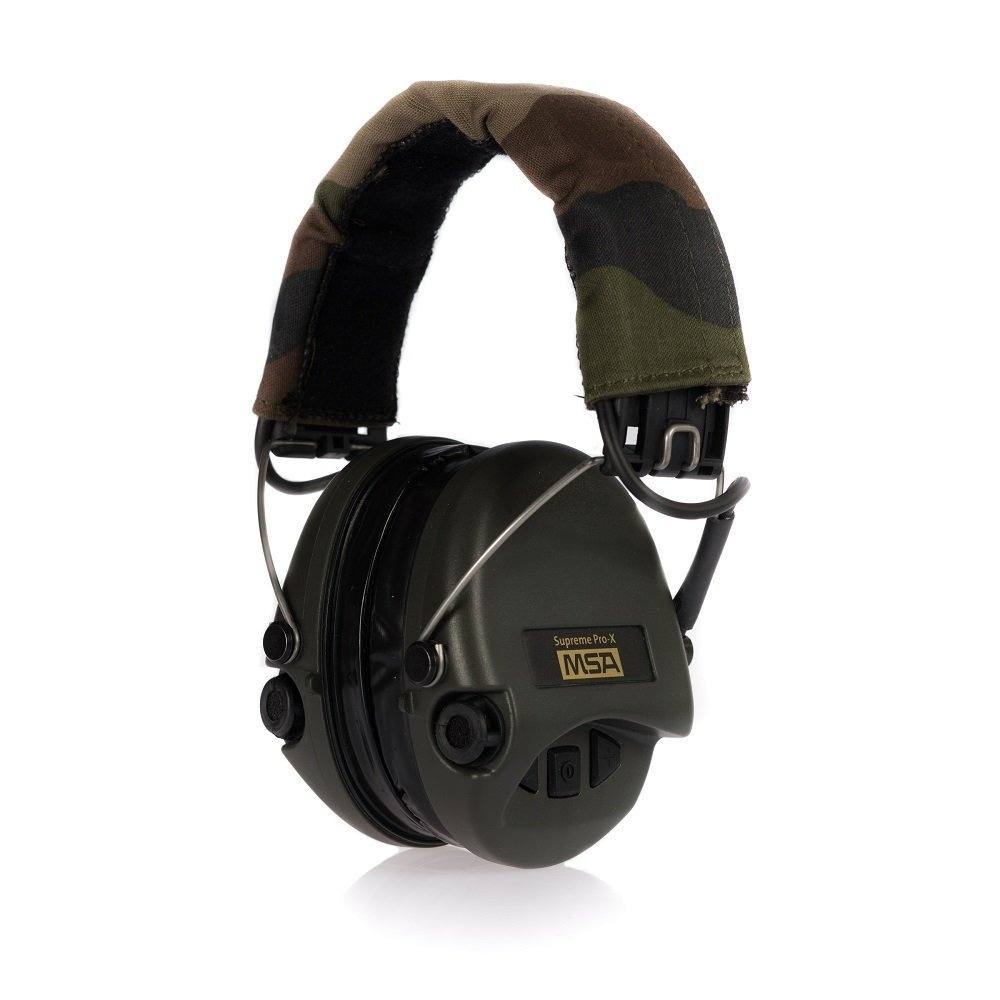
Hearing damage is cumulative and permanent. A single unprotected rifle shot can hit 160+ decibels — well past the threshold for instant damage — and every range trip without proper protection is a withdrawal from an account you can't refill. This isn't a comfort purchase. It's the cheapest insurance in the shooting sports.
This guide is research-based, not sponsored. NRR figures come from manufacturer spec sheets (tested under EPA-mandated lab conditions), and the practical assessments — comfort over a long range day, how well electronic muffs actually amplify conversation, durability — come from aggregated owner reviews and professional range-instructor roundups. We have not hands-on tested these products.
What Actually Matters: The Specs Worth Reading
NRR: The Number That Counts
NRR (Noise Reduction Rating) is the EPA-standardized lab measure of how much sound a hearing protector blocks, expressed in decibels. Higher is better, with most shooting muffs landing between 22 and 30 dB. A few things to know:
- Lab NRR overstates real-world protection. OSHA and NIOSH both recommend derating manufacturer NRR figures (by 50% in NIOSH's method) to estimate field performance. A 25 dB muff realistically gives you something like 12–13 dB of effective reduction in imperfect conditions.
- For indoor ranges and magnum calibers, stack protection: foam plugs under electronic muffs is the standard advice from range professionals, and it works.
- Don't chase the highest NRR blindly. A 30 dB muff you take off after an hour because it clamps your skull protects you less than a 24 dB muff you wear all day.
Electronic vs. Passive
- Electronic muffs use microphones and speakers to amplify ambient sound (conversation, range commands) while instantly clamping down on gunshots above ~82 dB. Owners consistently report this as transformative: you can hear the range officer clearly without removing your protection. They need batteries (usually AAA), cost more, and add bulk.
- Passive muffs are just engineered foam and plastic — no batteries, nothing to break, lighter on the wallet. They block everything equally, which means you're either shouting or lifting a muff to hear. Fine for solo outdoor shooting; frustrating in classes or busy ranges.
- In-ear plugs (foam, flanged, or custom-molded) trade convenience and cheek-weld compatibility for lower NRR and, in cheap versions, comfort issues over long sessions.
Our take: if you shoot anywhere near other people — classes, indoor ranges, competitions — electronic muffs are worth every penny. For solo outdoor plinking, quality passive protection is perfectly adequate.
Comfort and Fit
The best NRR in the world is useless if the muffs live in your range bag. Look for: padded (not bare plastic) headbands, ear cushions that seal around glasses without breaking the seal, and clamping force that's snug but not headache-inducing. Owners with glasses consistently flag this — thin-frame glasses break the muff seal and leak sound, so cushions with glasses-relief channels matter. Low-profile ("slim") muffs also interfere less with a rifle stock's cheek weld.
Batteries and Durability
Electronic muffs typically run 200–350 hours on AAA batteries. Auto-shutoff is a must-have feature — owners' number one complaint about older electronic muffs is dead batteries from forgetting to switch them off. Water resistance matters if you shoot in rain; check the IP rating on premium models.
The Picks
1. Howard Leight Impact Sport — Best Value Electronic Muffs
The Impact Sport is the default recommendation across the shooting world for a reason: electronic amplification, 22 dB NRR, slim low-profile cups that don't fight your rifle stock, and a price that usually sits well under premium competitors. Per Honeywell's spec sheets, the amplification cuts out at 82 dB and the muffs run about 350 hours on two AAA batteries with auto-shutoff after 4 hours.
Owner reviews are overwhelmingly positive, with two consistent notes. First, the 22 dB NRR is modest — for indoor ranges, experienced shooters double up with foam plugs underneath (the electronic amplification still lets you hear conversation). Second, the headband padding is thin; owners who wear them all day often add an aftermarket gel-cup or headband upgrade. Neither complaint stops it from being the best-selling electronic muff in the category.
If you're buying your first set of electronic muffs, start here. It does 90% of what the premium options do at a fraction of the price.
Check current price: Howard Leight Impact Sport Electronic Shooting Earmuff
2. Walker's Razor Slim — Best Low-Profile Electronic Muffs
Walker's Razor series is the Impact Sport's arch-rival, and the Razor Slim is the pick for rifle shooters: ultra-thin cups designed specifically to stay clear of the stock during cheek weld. Specs per Walker's: 23 dB NRR, sound-activated compression (rather than clipping, which some owners find more natural-sounding), and about 200+ hours on two AAA batteries.
Owner feedback consistently praises the slim profile and the audio quality — many reviewers prefer the Razor's sound compression to the Impact Sport's clipping. The trade-offs: slightly lower battery life, and the headband gets comfort complaints on larger heads during all-day wear. Walker's also offers the Razor in a wide range of colors and patterns, which matters more than it should.
Choose the Razor Slim if you primarily shoot rifles or shotguns and cheek weld is your priority. Choose the Impact Sport if you want maximum battery life and the lowest price.
Check current price: Walker's Razor Slim Electronic Muff
3. 3M Peltor Sport Tactical 500 — Best Premium Electronic Muffs
The Tactical 500 is what you buy when you've decided hearing protection is a buy-once purchase. 3M's spec sheets list 26 dB NRR — meaningfully higher than the budget electronic options — plus Bluetooth connectivity for phone calls and music, a rechargeable battery option, and an IP54 rating for dust and water resistance. The dynamic suppression is widely regarded as the smoothest in the class: gunshots are suppressed without the audible "pumping" cheaper circuits produce.
Owners consistently report two things: the comfort is in a different league (deep, soft cushions that seal well even with glasses), and the price stings. This is roughly triple the cost of an Impact Sport. Long-term owners say the durability justifies it — these are the muffs that survive years of heavy use — but it's a genuine investment.
For high-volume shooters, instructors, and competitors who live in their ear pro, the Tactical 500 is the endgame. For the occasional range trip, the budget picks protect your hearing just as well.
Check current price: 3M Peltor Sport Tactical 500 Electronic Hearing Protector
4. SureFire EP4 Sonic Defenders Plus — Best Passive In-Ear Plugs
Not everyone wants muffs. The EP4 Sonic Defenders are flanged in-ear plugs with a 24 dB NRR (per SureFire's specs) and a clever mechanical filter: the stopper caps block impulse noise while letting some ambient sound through with caps out. They're made from a soft medical-grade polymer, come in three sizes, and cost a fraction of electronic muffs.
Owner reviews are strong on two fronts: they don't interfere with cheek weld at all (nothing on the outside of your ear), and they're comfortable enough for all-day wear once you find your size. The consistent complaint is fit — get the wrong size and they either fall out or ache. SureFire's sizing guide is worth following carefully, and many owners buy the multi-size pack first.
These are the pick for hunters and precision rifle shooters who need zero interference with the stock, and a smart backup pair to keep in every range bag regardless of what muffs you own.
Check current price: SureFire EP4 Sonic Defenders Plus Earplugs
5. Decibullz Custom Moldable Earplugs — Best Custom-Fit In-Ear
Decibullz takes a different approach: thermoplastic plugs you heat in water, mold to your exact ear shape, and let cool into a custom fit. Per the manufacturer's specs, they deliver up to 31 dB NRR — the highest rating in this guide — and because they're molded to you, the seal is genuinely excellent.
Owner feedback is enthusiastic about the fit and the NRR, with the expected caveats: the molding process takes a few tries to get right (buy knowing you might remold once or twice), and they're still passive plugs — you won't hear range commands as clearly as with electronic muffs. They're also the best in-ear option for people whose ear canals reject standard flanged plugs.
For maximum protection in a pocketable package — especially as a supplement under electronic muffs at indoor ranges — molded plugs are hard to beat. The custom fit is the entire product, and it works.
Check current price: Decibullz Custom Moldable Earplugs
Comparison Table
| Product | Type | NRR | Power | Best For |
|---|---|---|---|---|
| Howard Leight Impact Sport | Electronic muff | 22 dB | 2× AAA (~350 hrs) | Best value electronic |
| Walker's Razor Slim | Electronic muff | 23 dB | 2× AAA (~200 hrs) | Rifle cheek weld |
| 3M Peltor Sport Tactical 500 | Electronic muff | 26 dB | Rechargeable/AAA, Bluetooth | Premium all-rounder |
| SureFire EP4 Sonic Defenders | Passive in-ear | 24 dB | None | Hunters, backup pair |
| Decibullz Custom Moldable | Passive in-ear (custom) | 31 dB | None | Max protection, custom fit |
Frequently Asked Questions
Is 22 dB NRR enough for shooting?
For outdoor shooting with standard calibers, yes — especially with electronic muffs worn consistently. For indoor ranges, magnum calibers, or short-barreled rifles, no: double up with foam plugs under your muffs. Remember that lab NRR overstates field performance, so treat the rating as a ceiling, not a guarantee.
Are electronic earmuffs worth the extra money?
If you shoot around other people, absolutely. The ability to hear range commands and hold a conversation without removing your protection means you actually keep the muffs on — and protection you wear beats protection in your bag. For solitary outdoor shooting, quality passive muffs or plugs are fine.
Can I wear earplugs and earmuffs together?
Yes, and range professionals recommend it for indoor ranges and loud calibers. The combined protection isn't simply additive, but it's meaningfully better than either alone. With electronic muffs, the amplification still lets you hear conversation through the plugs.
How do I know if my muffs fit properly?
The ear cushions should fully enclose your ears with an even seal all around — no gaps at the temples. If you wear glasses, the seal will break slightly at the frames; cushions with glasses-relief channels minimize this. A simple test: with muffs on in a quiet room, rub your fingers together near your ear. You shouldn't hear much. If you do, the seal is leaking.
Do electronic muffs work for hunting?
Yes — that's one of their best uses. The amplification lets you hear game movement and your surroundings better than naked ears, while gunshots are suppressed. Slim models like the Razor are popular with hunters because they don't snag on brush. Just remember to check batteries before the season.
How often should I replace ear protection?
Foam plugs are disposable — one range session, maybe two. Reusable flanged plugs last months with cleaning. Muff cushions degrade: when the foam inside the cushions stops springing back or the seal gets inconsistent, replace the cushions (most major brands sell replacements) rather than the whole muff. Electronic muffs themselves last years; batteries are the only consumable.
The Bottom Line
Start with the Howard Leight Impact Sport if you want proven electronic protection without overthinking it. Go Walker's Razor Slim if rifle cheek weld is your priority, or step up to the Peltor Sport Tactical 500 if you shoot enough to justify the premium. Keep SureFire EP4s or Decibullz in your bag as backup or for hunting. Whatever you choose, wear it every single time — the shot you skip protection for is the one that costs you hearing you never get back.