Best Headlamps for Camping and Work (2026 Buyer's Guide)
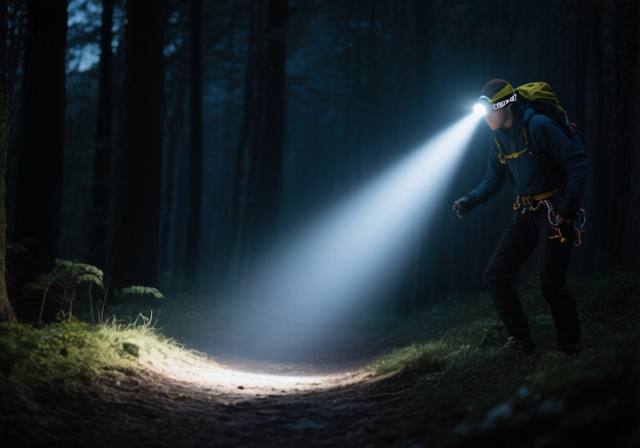
Every outdoorsman has the same origin story: fumbling with a flashlight in his teeth while trying to set up a tent in the dark, dropping it in the dirt, and ordering a headlamp the next morning. A good headlamp is one of the highest value-to-weight items in all of outdoor gear — a few ounces that turn night into a minor inconvenience.
The five headlamps below are all current-production models from the brands that dominate professional and enthusiast use: Fenix, Petzl, Black Diamond, and BioLite. Specs come from the manufacturers; performance assessments are cross-checked against published expert roundups and long-term owner reviews. No sponsored picks, no discontinued models, no "we tested" fiction.
What actually matters
Lumens aren't everything — beam pattern is. A 1,000-lumen spotlight with a tight beam is useless for cooking at camp; a 200-lumen flood is useless for spotting a trail marker at 100 meters. The best headlamps offer both: a focused spot beam for distance and a wide flood beam for close work. Dual-beam designs (separate spot and flood LEDs) are worth real money.
Regulated output vs. fading. Cheap headlamps start bright and dim steadily as the battery drains. Good headlamps use regulated circuits that hold near-full brightness for most of the runtime, then drop to a reserve mode. This is the single biggest real-world difference between a $25 headlamp and a $70 one — and it's invisible on the spec sheet's "max lumens" line. Look for "constant brightness" or regulated output in the specs.
Battery type is a lifestyle choice. Rechargeable lithium-ion (18650 cells or proprietary packs) wins on running cost and performance, especially in cold weather. But on multi-day trips without power, disposable AAAs are still king — you can't recharge from a dead outlet. The smartest designs accept both: a rechargeable pack that can be swapped for AAAs in a pinch. At minimum, know your trip style before you choose.
Waterproofing ratings, decoded. IPX4 means splash-resistant — fine for rain. IPX7 means submersible to 1 meter for 30 minutes — genuinely waterproof. IPX8 means submersible beyond 1 meter (manufacturer-specified depth) — the real deal. For anything involving boats, heavy rain, or canyoneering, IPX7 or better is worth it.
Weight and comfort. You'll wear this for hours. Under 3 ounces (85g) is comfortable for all-night wear; over 5 ounces (150g) and you'll want a top strap or rear battery compartment for balance. Headband quality matters more than people expect — look for wide, moisture-wicking bands with silicone grip strips.
Red light mode. Preserves your night vision, doesn't attract bugs as aggressively, and won't blind your campmates. It's a genuinely useful feature, not a gimmick — especially for hunters, astronomers, and anyone who gets up before dawn.
Lockout mode. A headlamp that turns on inside your pack will be dead when you need it. Electronic or mechanical lockout prevents this. If a headlamp lacks lockout, store it with the battery reversed or removed.
Cold weather. Lithium batteries handle cold far better than alkalines. If you winter camp, rechargeable lithium isn't optional — it's the difference between light and darkness at 10°F.
Fenix HM65R V2.0 — Most Powerful Headlamp
Fenix launched the HM65R V2.0 in mid-2026 as the successor to one of its best-selling headlamps, and the upgrade is substantial. Combined spot and flood output hits 2,200 lumens — making it one of the brightest headlamps Fenix has ever made — with a maximum beam distance of 226 meters (741 feet). If your use case involves "I need to see far, right now," nothing else on this list comes close.
The design is dual-beam done right: independently controlled spotlight and floodlight, each with multiple brightness levels, plus a new red-light mode (the brightest red light in Fenix's headlamp lineup) for preserving night vision. Eleven total modes sounds like a lot, but the dual top-switch interface keeps it manageable — double-tap either switch for instant red light without cycling. The magnesium alloy housing keeps weight reasonable despite the power, and the IP68 rating (dustproof, submersible to 2 meters) plus 2-meter impact resistance mean it's built for genuine abuse.
It runs on a single included 18650 rechargeable cell (ARB-L18-3400) with USB-C charging and a battery level indicator. Runtime on the lower modes stretches into the hundreds of hours; on turbo, you get the expected short burst of maximum output before thermal regulation steps in — standard physics for this brightness class.
The trade-offs: it's the heaviest and most expensive philosophy here — this is a "maximum light" tool, not an ultralight backpacking pick. And 2,200 lumens is overkill for reading in a tent; you'll live on the lower modes for camp tasks. But for search and rescue, caving, night work, trail running in technical terrain, or anyone who simply wants the most capable headlamp available in 2026, the V2.0 is the current king.
Check current price: Fenix HM65R V2.0
Petzl Actik Core — Best All-Around Headlamp
The Actik Core is the headlamp equivalent of a Toyota Tacoma: not the flashiest, not the most powerful, but the one that shows up in every "what should I buy" thread because it simply does everything well. It's the best-selling Petzl headlamp for a reason, and the current version is the most refined it's ever been.
Output tops out at 600 lumens with a mixed beam that's genuinely useful — wide enough for camp tasks, focused enough for trail hiking. The headline feature is the CORE rechargeable battery: a USB-rechargeable pack that slides out and can be replaced with three standard AAAs when you're off-grid. That hybrid power system eliminates the biggest weakness of rechargeable headlamps (dead battery, no outlet) in one elegant design move. Runtime is excellent across the board, with Petzl's characteristic well-regulated output.
The current Actik Core also includes red lighting (steady and strobe) for night vision preservation, a phosphorescent reflector so you can find it in the dark, and Petzl's HYBRID CONCEPT compatibility. At 3 ounces (85g) including the battery, it's comfortable for extended wear, and the headband is among the best in the business — wide, washable, and stable.
Owner feedback is about as close to unanimous as outdoor gear gets: this is the headlamp people buy, use for years, and replace with the same model when it's finally lost or retired. The only recurring criticism is that 600 lumens, while plenty for 95% of tasks, won't satisfy those who want maximum throw for spotting or search use — that's what the Fenix above is for. At around $85, it's also not the cheapest option here. But as the one headlamp to recommend to anyone, for anything, the Actik Core remains the default answer.
Check current price: Petzl Actik Core
Black Diamond Spot 400-R — Best Value Rechargeable Headlamp
The Spot series has been the default recommendation for budget-conscious outdoorsmen for over a decade, and the 400-R is the rechargeable version that fixed the line's biggest weakness. At around $70, it delivers features that cost twice as much five years ago.
You get 400 lumens of max output with a 100-meter beam — plenty for hiking, camping, and general use. The PowerTap feature (tap the side of the housing to instantly jump to max brightness) remains one of the best UI ideas in headlamps, and the full feature set is here: dimming, strobe, red night-vision mode, and a lock mode to prevent accidental activation in your pack. The IPX8 waterproof rating (submersible) is genuinely impressive at this price — most competitors offer IPX4 at best in this bracket.
The rechargeable battery charges via micro-USB and delivers solid runtimes, with Black Diamond's regulated output holding brightness well through the discharge curve. At 2.6 ounces (74g), it's light and comfortable.
The honest limitations: micro-USB instead of USB-C feels dated (though functionally it works fine), 400 lumens is the lowest max output on this list, and the button interface takes some learning — owners consistently report a short adjustment period before the controls feel natural. But for the money, nothing else offers this combination of brightness, waterproofing, and features. It's the headlamp to buy in multiples — one for the truck, one for the pack, one for the workshop.
Check current price: Black Diamond Spot 400-R
BioLite HeadLamp 800 Pro — Best for Runners and Long Sessions
BioLite took a different approach to headlamp design — instead of a bulky front housing, the 800 Pro distributes its electronics in a slim band across the forehead with the battery at the rear. The result is the most comfortable high-output headlamp here, and the pick for trail runners, thru-hikers, and anyone who wears a headlamp for hours at a time.
The headline spec is 800 lumens of max output, but the real story is the Constant Mode: the 800 Pro holds its set brightness without dimming as the battery drains — the regulated output done right. A rear red strobe adds visibility for road running. The 3,000 mAh battery is the largest on this list, delivering exceptional runtimes (up to 150 hours on low), and pass-through charging means you can run it off a power bank while wearing it — effectively unlimited runtime on long efforts.
The slim front profile means no bouncing or forehead pressure points, which runners consistently praise. The moisture-wicking headband is comfortable and the whole unit is impressively light for its capability at 5.3 ounces (150g) — the rear battery placement keeps it balanced.
Trade-offs: the distributed design means the controls are on the side of the band rather than a front button — most owners adapt quickly, but it's different. There's no AAA backup option; you're committed to rechargeable. And at around $120, it's a premium price. But for the specific job of "bright light, worn comfortably, for a very long time," the 800 Pro's design is genuinely ahead of the conventional front-heavy competition.
Check current price: BioLite HeadLamp 800 Pro
Petzl IKO Core — Lightest Headlamp
At 2.8 ounces (79g), the IKO Core disappears on your head — and it still puts out 500 lumens. Petzl achieved this with the AIRFIT headband: a semi-rigid, ventilated band that distributes pressure evenly without the bulk of a traditional strap. For ultralight backpackers, trail runners, and anyone who's ever taken a headlamp off because it was annoying, the IKO Core is revelatory.
Don't mistake light for weak. The 500-lumen max output with Petzl's multi-beam design covers everything from camp chores to night hiking. The CORE rechargeable battery is standard (AAA-compatible via the HYBRID CONCEPT, like the Actik), and the headband integrates a storage pouch for the charging cable — a small detail that shows how thoroughly Petzl thought about the ultralight use case. Multiple brightness levels, red light, and lockout are all present.
The compromises are the ones physics demands: a 79-gram headlamp can't match the Fenix's throw or the BioLite's battery capacity. Runtime on high is shorter than the heavier options, and the minimalist headband, while comfortable, offers less adjustability than traditional straps — owners with very large or very small heads should try before committing if possible. At around $105, you're paying a premium for the weight savings.
But weight is the thing you feel every minute of every mile. For ounce-counters and anyone who wears a headlamp for hours, the IKO Core proves you don't have to choose between light and capable.
Check current price: Petzl IKO Core
Comparison Table
| Headlamp | Max Lumens | Beam Distance | Weight | Battery | Waterproof | Typical Price |
|---|---|---|---|---|---|---|
| Fenix HM65R V2.0 | 2,200 | 226 m | ~5.5 oz | 18650 rechargeable | IP68 | ~$110–130 |
| Petzl Actik Core | 600 | 120 m | 3.0 oz | CORE rechargeable / AAA | IPX4 | ~$85 |
| Black Diamond Spot 400-R | 400 | 100 m | 2.6 oz | Rechargeable (micro-USB) | IPX8 | ~$70 |
| BioLite HeadLamp 800 Pro | 800 | 150 m | 5.3 oz | 3,000 mAh rechargeable | IPX4 | ~$120 |
| Petzl IKO Core | 500 | 110 m | 2.8 oz | CORE rechargeable / AAA | IPX4 | ~$105 |
Beam distances and runtimes per manufacturer specs; real-world performance varies with mode, temperature, and battery condition. Prices fluctuate by retailer.
Frequently Asked Questions
How many lumens do I actually need? For camp chores and hiking established trails, 200–400 lumens is plenty. For trail running, route-finding, or spotting at distance, 500+ lumens earns its keep. More lumens mostly buy you beam distance and the ability to run lower (more efficient) modes most of the time. Don't chase the biggest number — match the output to the job.
Rechargeable or AAA batteries? Rechargeable wins for regular use — lower running cost, better cold-weather performance, less waste. But on multi-day trips without power access, AAAs are still the reliability king. The Petzl CORE system (rechargeable pack swappable for AAAs) is the best of both worlds, which is why two Petzl picks made this list.
What do the IPX waterproof ratings mean? IPX4 handles rain and splashes. IPX7 survives 30 minutes under 1 meter of water. IPX8 goes deeper (manufacturer-specified). For general camping and hiking, IPX4 is sufficient. For boating, canyoneering, or truly foul weather, IPX7+ is worth seeking out — the Black Diamond Spot 400-R's IPX8 rating at $70 is exceptional value.
What's the red light mode for? Three things: preserving your night vision (white light destroys dark adaptation for 20+ minutes), not blinding your campmates, and attracting fewer insects. Hunters, astronomers, photographers, and early-rising fishermen all swear by it. It's a legitimate feature, not a gimmick.
How do I stop my headlamp turning on in my pack? Use the lockout mode if it has one (all five picks here do). If not, store the headlamp with the battery reversed or in a separate pocket. A dead headlamp at dusk is a rite of passage nobody needs to repeat.
Do headlamps work in cold weather? Lithium-based rechargeables handle cold far better than alkaline AAAs, which can lose half their capacity below freezing. If you winter camp or work outdoors in cold climates, a lithium-powered headlamp isn't a luxury — and keeping the battery warm (inside your jacket, or a rear-mounted pack warmed by body heat like the BioLite) extends runtime further.
The Bottom Line
Buy the Fenix HM65R V2.0 if you want the most powerful, most capable headlamp available in 2026 — it's the current performance king. Buy the Petzl Actik Core if you want the one headlamp that does everything well and that you'll never have to think about again. Buy the Black Diamond Spot 400-R if you want 90% of the functionality for $70 — it's the value pick that's genuinely hard to argue with. Buy the BioLite HeadLamp 800 Pro if you run, hike long, or wear a headlamp for hours and comfort is king. And buy the Petzl IKO Core if every ounce matters and you refuse to compromise on capability to save them. Any of the five beats fumbling with a flashlight in your teeth.