The 5 Best Cordless Drills for Beginners (2026 Buyer's Guide)
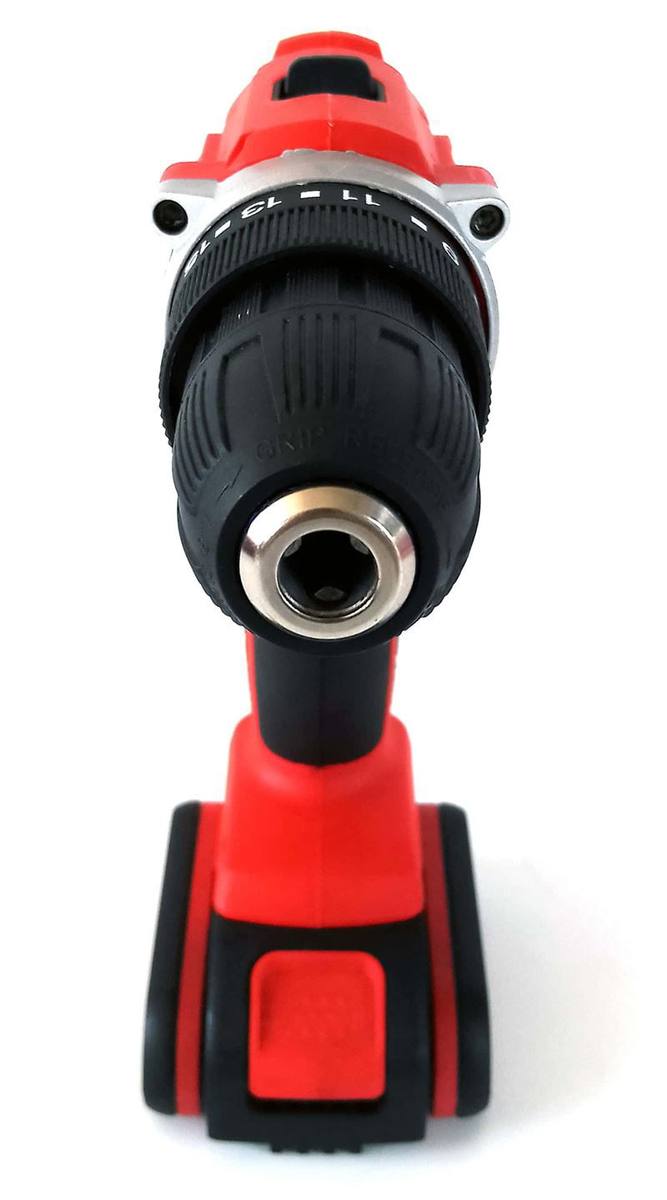
A drill is usually the first real power tool anyone buys, and it's also the one most likely to be bought badly. Too many first-time buyers grab the cheapest thing on the shelf (and fight it on every project) or overbuy a contractor-grade monster they'll never fully use.
This guide is research-based, not sponsored. Specs come from manufacturer data sheets and long-term owner reviews across major retailers; the framing — what a beginner actually needs versus what looks impressive on the box — comes from watching which tools survive in a home workshop and which collect dust.
The good news: you don't need to spend much. The mid-tier cordless drill market is one of the best values in all of power tools right now.
What Actually Matters: The Specs Worth Reading
Drill packaging is full of numbers designed to overwhelm you. Here's the short list that actually affects your experience.
Voltage (12V vs 18V/20V)
Voltage is roughly a proxy for power and weight. The two classes that matter to beginners:
- 12V compacts — light (often under 2.5 lbs), small enough for tight spaces, and plenty of power for furniture assembly, curtain rods, pilot holes, and light wood screws. Great first drill if you live in an apartment or mostly build small things.
- 18V/20V full-size — the standard "do everything" class. More torque, more runtime. Heavier, but a better one-drill-only choice for a house with real projects.
(Note: 18V and 20V Max are the same underlying cell voltage — a marketing-label difference, not a real one. Choose between 12V and the 18/20V class, not between the two labels.)
Bottom line: if you'll only own one drill, get an 18V/20V kit. If weight and size matter more than raw power, 12V is the sleeper pick.
Chuck Size (3/8" vs 1/2")
The chuck is the clamp at the front that holds your bits.
- 1/2" chuck — the full-size standard. Accepts larger bits (spade bits, hole saws) and grips better under load. Get this.
- 3/8" chuck — found on most 12V compacts. Fine for small bits, but a real limit if you ever drill large holes.
Beginners should treat a 1/2" chuck as a requirement on an 18V/20V drill and accept a 3/8" chuck as the trade-off on a 12V compact.
Clutch Settings
The clutch ring behind the chuck limits torque so you don't strip screw heads or sink fasteners too deep. More positions = finer control. Look for 15+ clutch positions plus a drill-only mode. This is the single most beginner-friendly feature on any drill.
Brushless vs. Brushed Motors
This is the biggest fork in the road:
- Brushed — older motor tech. Cheaper, and perfectly serviceable. Slightly less power and shorter runtime per charge, but on a home drill the brushes last for years.
- Brushless — more efficient, more powerful from the same battery, and no brush wear. Owners consistently report noticeably longer runtime. The premium is usually $40–$80 more for an equivalent kit.
Our take: on a budget 12V drill, brushed is fine. On your main 18V/20V drill, brushless is worth the money — it's the single upgrade that makes the biggest difference in everyday use.
Batteries: What the Kit Actually Includes
Two batteries and a charger are standard in a drill kit. Check the amp-hour (Ah) rating — 2.0Ah batteries are compact but thin on runtime; 4.0Ah+ gives real endurance but adds weight. Batteries are shared across a brand's platform, so you can buy higher-capacity packs later.
This is the hidden trap of the drill purchase: you're not buying a drill, you're buying into a battery platform. Pick a brand you can see yourself buying from again, because today's batteries will power your sander, saw, and blower tomorrow.
Speed Settings
Two mechanical speeds (usually 0–450 RPM and 0–1,500+ RPM) are standard. Use low speed for driving screws and high speed for drilling. You don't need anything fancier than the variable-speed trigger.
Our Picks: The Best Cordless Drills for Beginners
Best Budget 12V Compact: Bosch PS31-2A
If you want a small, friendly drill for apartment living or light assembly work, the 12V class is where the value lives, and Bosch's PS31-2A is the reference example. Owners consistently praise its balance and size — it fits where full-size drills can't, and at around two pounds with a battery, overhead work won't wreck your arm.
Key specs: 12V platform, 3/8" chuck, brushed motor, 20 clutch settings, two 2.0Ah batteries included.
Pros: - Extremely light and compact — comfortable one-handed and overhead work - 20 clutch settings give fine control for a budget tool
Cons: - 3/8" chuck limits larger bits (no hole saws) - Not enough power for masonry or heavy framing
Best for: renters, apartment dwellers, and anyone whose biggest jobs are IKEA assembly, shelving, and hanging things.
Check current price: Bosch PS31-2A 12V drill kit
Best Budget 20V Starter: DeWalt DCD771C2
This is the drill you'll see in more beginner garages than any other: the DCD771C2 kit hits the sweet spot of brand trust, full-size capability, and a price that routinely dips near budget territory on sale. Reviewers consistently call it the best "first real drill" value.
Key specs: 20V Max platform, 1/2" chuck, brushed motor, 16+1 clutch settings, two speeds (0–450 / 0–1,500 RPM), two compact batteries included.
Pros: - Full 1/2" chuck and real torque for a budget price - Massive battery platform — DeWalt's 20V line has hundreds of compatible tools
Cons: - Brushed motor means shorter runtime than brushless rivals - Compact batteries are small — plan on a 4.0Ah+ pack eventually
Best for: first-time homeowners who want one drill that handles real projects — decks, fences, shelving, furniture.
Check current price: DeWalt DCD771C2 drill kit
Best Mid-Range 18V: Makita XFD13Z (or Kit XFD131)
Makita's 18V LXT line is the connoisseur's pick in the mid-range, and the XFD13 driver-drill is its workhorse. Reviewers consistently praise the ergonomics — it simply feels better balanced than most competitors — and the LXT platform is enormous, with everything from mowers to coffee makers running on the same batteries.
Key specs: 18V LXT platform, 1/2" chuck, brushed motor (brushless sibling: XPH14), 21 clutch settings, two speeds, often sold as tool-only or with two 3.0Ah batteries.
Pros: - Superb ergonomics and balance — comfortable for long sessions - Huge, mature battery ecosystem
Cons: - Brushed version is getting long in the tooth; the brushless upgrade costs more - Makita tools tend to run slightly pricier than DeWalt/Ryobi equivalents
Best for: buyers who plan to build out a full tool collection and value comfort and platform depth.
Check current price: Makita XFD131 18V drill kit
Best Value Ecosystem: Ryobi P215K (18V ONE+)
Ryobi's 18V ONE+ system has kept the same battery form factor for over two decades — the batteries you buy today run tools from 2005 — and the 200+ tool lineup is the largest of any brand at this price. The P215K brushed drill kit is routinely the cheapest way into a full-size platform.
Key specs: 18V ONE+ platform, 1/2" chuck, brushed motor, 24 clutch settings, two speeds, two compact batteries included.
Pros: - Unbeatable price-to-platform ratio — cheapest entry to a huge ecosystem - Backward-compatible batteries are a genuine long-term advantage
Cons: - Brushed motor and plasticky feel — not a pro-grade tool - Runtime lags behind brushless rivals
Best for: budget-conscious beginners who want room to grow into dozens of affordable tools — yard tools, inflators, lights — on one battery system.
Check current price: Ryobi P215K 18V drill kit
Best Premium Brushless: Milwaukee M18 Fuel 2904 (Kit 2904-22)
If you can stretch the budget, this is the "buy it once" option. Milwaukee's M18 Fuel drill is the brushless flagship that reviewers and tradespeople consistently rate at the top of the 18V class: more power, longer runtime, and a metal chuck and gearbox that shrug off abuse.
Key specs: 18V M18 platform, 1/2" metal ratcheting chuck, brushless motor, 24+ clutch settings, two speeds up to 2,100 RPM, two 5.0Ah batteries in the full kit.
Pros: - Class-leading power and runtime — handles anything a homeowner will face - 5.0Ah batteries included mean you won't need to upgrade packs
Cons: - Roughly double the price of the budget picks - Heavier than mid-range options — noticeable on overhead work
Best for: serious DIYers who want their first drill to also be their last drill for a decade.
Check current price: Milwaukee M18 Fuel 2904-22 drill kit
Comparison Table
| Drill | Voltage | Chuck | Motor | Clutch Settings | Batteries Included | Best For |
|---|---|---|---|---|---|---|
| Bosch PS31-2A | 12V | 3/8" | Brushed | 20 | 2 × 2.0Ah | Apartments, light assembly |
| DeWalt DCD771C2 | 20V Max | 1/2" | Brushed | 16+1 | 2 × compact | First homeowners, best value full-size |
| Makita XFD131 | 18V | 1/2" | Brushed | 21 | 2 × 3.0Ah | Comfort + platform depth |
| Ryobi P215K | 18V | 1/2" | Brushed | 24 | 2 × compact | Budget ecosystem builders |
| Milwaukee 2904-22 | 18V | 1/2" metal | Brushless | 24+ | 2 × 5.0Ah | Buy-it-once premium |
How to Choose: A 60-Second Decision Guide
- "I just need something small for around the apartment." → 12V compact (Bosch PS31-2A).
- "I own a house and want one drill for everything." → 20V brushed kit (DeWalt DCD771C2 or Ryobi P215K if budget is tight).
- "I want the best value and plan to buy more tools later." → Ryobi P215K — the ONE+ ecosystem is unmatched at the price.
- "I want the nicest tool I'll keep for 10 years." → Milwaukee M18 Fuel 2904-22.
- "I'm between — decent power, great feel, big platform." → Makita XFD131.
And the universal advice: wait for a sale. Drill kits go on deep discount around major holidays — the gap between full retail and sale price can be 30–40%.
FAQ
What size drill do I need as a beginner?
An 18V/20V drill with a 1/2" chuck covers essentially everything a beginner will do: drilling wood, driving screws, assembling furniture, and light masonry with the right bit. A 12V compact is a great second drill — or a good primary drill if you only do light work.
Is brushless really worth the extra money?
For a primary drill you'll use regularly, yes: roughly 50%+ more runtime per charge, more power, and no brush wear. For an occasionally-used budget or 12V drill, brushed is fine — the savings are real and the downsides are minor at low usage.
How many batteries do I need?
Two is the practical minimum — one in the drill, one on the charger — and most kits include two. For longer sessions (deck building, for example), a higher-capacity pack (4.0Ah+) is the first upgrade worth buying.
Can one drill do everything, or do I need a drill and an impact driver?
One drill does everything a beginner needs. An impact driver is a specialist for driving long screws and lag bolts faster with less wrist strain — the natural second purchase, and many brands sell drill + impact driver combo kits that are excellent value.
What's the difference between 18V and 20V?
Almost nothing. They're the same battery cells measured differently (nominal vs. maximum voltage). Choose based on brand, price, and platform — not the number on the label.
Should I buy a drill kit or just the tool?
Always buy the kit for your first drill. The kit includes batteries and a charger, which cost nearly as much separately. "Tool-only" (bare tool) listings are for people already invested in that battery platform.
How long do cordless drill batteries last?
Lithium-ion packs typically last 3–5 years of regular use before capacity noticeably drops. Store them at room temperature and don't leave them fully dead for months — that matters more than brand.
Is it better to buy a combo kit with more tools?
If you know you'll need a circular saw or reciprocating saw soon, a combo kit is usually cheaper than buying tools separately. But don't buy tools you won't use just because the bundle looks like a deal — an unused tool is the most expensive kind.
Verdict
Most beginners should buy a full-size 18V/20V brushed drill kit — it's the best balance of capability, price, and room to grow. The [DeWalt DCD771C2 drill kit]Check current price: DeWalt DCD771C2 drill kit is our default recommendation: proven, widely available, and backed by a platform you'll still be buying from in ten years. Budget shoppers who want maximum ecosystem for minimum money should look at the [Ryobi P215K]Check current price: Ryobi P215K 18V drill kit. And if you'd rather spend once and be done, the brushless [Milwaukee M18 Fuel 2904-22]Check current price: Milwaukee M18 Fuel 2904-22 drill kit is the drill you'll hand down, not throw out.
Whichever you choose, remember the real purchase is the battery platform, not the drill. Pick the brand you'd be happy buying your next five tools from — because you will be.