Best Cordless Drill/Impact Driver Combo Kit Under $200: A Buyer's Guide
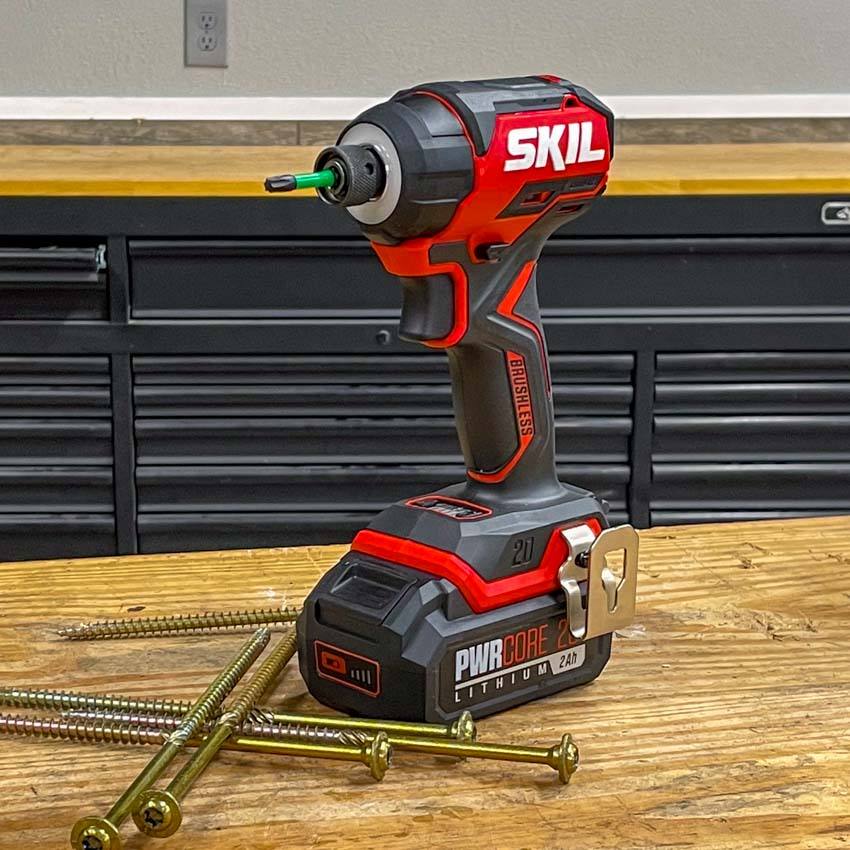
If you're building out a workshop or tackling your first real renovation, a drill/driver and impact driver combo kit is the single best purchase you can make. For under $200, you get two capable cordless tools, two batteries, a charger, and a bag — everything you need to drill holes and drive screws without touching a cord.
But the sub-$200 shelf is crowded, and the differences between kits matter more than the marketing suggests. This guide breaks down what to look for, how the big brands compare at this price, and which kits reviewers consistently recommend.
What's Actually in a Combo Kit?
A standard two-tool combo kit includes:
- A drill/driver — drills holes and drives screws, with a keyless chuck (usually 1/2") and adjustable clutch
- An impact driver — drives long screws and lag bolts with a 1/4" hex chuck and rotational hammering action
- Two batteries — typically small 1.3–2.0 Ah packs at this price
- A charger — usually a basic single-port charger
- A soft bag or case — quality varies; most are basic contractor bags
Drill vs. Impact Driver: Why You Get Both
New buyers often wonder why they need two similar-looking tools. They do genuinely different jobs:
The drill/driver is your precision tool. Its adjustable clutch lets you dial in torque so you don't strip screws — critical for drywall or flat-pack furniture. It also does the actual drilling: twist bits for wood and metal, spade bits, and hole saws in wood.
The impact driver is your muscle. It delivers rapid rotational impacts — thousands of tiny hammer blows per minute — making it far better at driving long screws, deck screws, and lag bolts without stalling or camming out. It also won't twist in your hand under load.
For most DIY work, you'll reach for the impact driver to drive fasteners and the drill to make holes and do delicate driving. Having both means no wasted time swapping bits — and that alone is worth the combo price.
Brushed vs. Brushless Motors at This Price
- Brushed motors use physical carbon brushes that wear over time. They're older but proven, cheaper, and perfectly adequate for homeowner and light DIY work. Most best-selling sub-$200 kits are brushed.
- Brushless motors are more efficient, run cooler, and last longer — typically adding $30–$60 to a kit's price at the same tier.
Our take: If you're a weekend DIYer, a brushed kit from a major brand will serve you for years. If you plan to expand into a full battery platform with saws and outdoor tools, spending a bit more for brushless is smart. Brushless combos do dip under $200 during sales, especially from Ryobi and Milwaukee.
Specs That Actually Matter
Marketing sheets are full of numbers. These are the ones worth reading:
- Drill torque (UWO or in-lbs): Look for at least 300 UWO or ~400 in-lbs. That's enough for spade bits, hole saws in wood, and general drilling — anything less feels anemic in hard material.
- Clutch settings: 15+ settings give fine control for delicate driving. Most name-brand drills here offer 16–24.
- Impact driver torque: 1,400 in-lbs is the common figure for compact drivers at this price — plenty for 3" deck screws and most lag bolts.
- Battery capacity (Ah): Kits under $200 usually ship with two small batteries (1.3–2.0 Ah) — fine for drilling and driving, but they run down faster in high-draw tools like saws. What matters more is whether the platform offers affordable bigger batteries later. All five brands here do.
- Charger: Expect a standard single-port charger (30–60 minutes for the small included batteries). Fast chargers are rarely included at this price.
- Chuck size: 1/2" on the drill is the standard to insist on; 3/8" chucks limit your bit options.
- Warranty: DeWalt, Milwaukee, Makita, Bosch, and Ryobi typically offer 3-year limited warranties. Register your tools online to activate coverage.
One spec to be skeptical of: peak RPM numbers. They tell you almost nothing about real-world driving power — torque and battery efficiency matter far more.
Comparison Table
| Kit (representative example) | Motor | Drill Torque | Clutch | Batteries | Best For |
|---|---|---|---|---|---|
| Check current price: DeWalt 20V MAX combo kit (DCK240C2) | Brushed | 300 UWO | 16+1 | 2× 1.3 Ah | Best all-around value; huge platform |
| Check current price: Ryobi 18V ONE+ HP combo kit | Brushless | ~400 in-lbs | 24+1 | 2× 2.0 Ah HP | Best budget brushless; biggest tool lineup |
| Check current price: Milwaukee M18 combo kit | Brushless (compact) | ~550 in-lbs | 20+1 | 2× 2.0 Ah | Best compact power; pro-grade feel |
| Check current price: Makita 18V LXT combo kit | Brushed | ~480 in-lbs | 21+1 | 2× 3.0 Ah | Best included batteries; smooth ergonomics |
| Check current price: Bosch 18V combo kit | Brushed | ~480 in-lbs | 20+1 | 2× 2.0 Ah | Best build quality; compact and refined |
Specs are representative of each brand's typical sub-$200 combo offering; prices fluctuate and all of these regularly sell at or below $200 during promotions.
Top Picks
Best All-Around Value: DeWalt 20V MAX Combo Kit (DCK240C2)
This is the best-selling drill/impact combo kit in its class for a reason. You get the DCD771 drill/driver (300 UWO, 16-position clutch, 1/2" ratcheting chuck, 2-speed transmission) and the DCF885 impact driver (1,400 in-lbs, three-LED light ring), plus two 1.3 Ah batteries, a charger, and a contractor bag. Reviewers consistently praise its reliability, and the 20V MAX platform spans over 200 tools.
The honest trade-offs: the motors are brushed, the 1.3 Ah batteries are small (fine for drilling and driving, less ideal if you later add a circular saw), and the charger is basic. But as an entry into a serious platform at a price regularly well under $200, it's the default recommendation for most buyers.
- Who it's for: First-time buyers who want the safest bet — proven tools, massive platform, strong resale value.
- Pros: Best-selling track record; huge 20V MAX ecosystem; compact, comfortable tools; often deeply discounted.
- Cons: Brushed motors; small 1.3 Ah batteries; basic charger and soft bag.
- Check current price: DeWalt 20V MAX combo kit
Best Budget Brushless: Ryobi 18V ONE+ HP Combo Kit
Ryobi is the value king, and its HP (High Performance) brushless combo kits are the cheapest way to get brushless motors in this class. The ONE+ platform has by far the largest tool lineup of any brand here — well over 300 tools — including lawn and garden equipment most others don't offer. Reviewers consistently note that modern Ryobi brushless tools punch well above their price.
The trade-offs: fit and finish is a step below the pro brands, and Ryobi's warranty service gets mixed reviews. But for a DIYer who wants brushless efficiency and the widest possible future tool selection, nothing else touches it at this price.
- Who it's for: Budget-focused DIYers who want brushless motors and plan to expand into yard tools and specialty tools.
- Pros: Brushless at a brushed price; enormous ONE+ tool ecosystem; frequent deep discounts.
- Cons: Less refined feel than pro brands; mixed warranty-service reviews.
- Check current price: Ryobi 18V ONE+ HP combo kit
Best Compact Power: Milwaukee M18 Brushless Combo Kit
Milwaukee's compact brushless 2-tool kits are the pick for buyers who want pro-grade tools that feel premium in the hand. The drill typically delivers around 550 in-lbs and the impact driver around 1,700 in-lbs — noticeably more than most competitors at this price — while staying compact. Reviewers consistently praise Milwaukee's build quality and the deep M18 platform.
The catch: these kits sit at the top of the budget, sometimes crossing $200 at full price — watch for promotions. Milwaukee's larger batteries are also pricier than Ryobi's.
- Who it's for: Buyers who want the most capable tools under $200 and may grow into serious DIY or semi-pro work.
- Pros: Strongest specs in class; excellent build quality; deep M18 pro ecosystem.
- Cons: Often the priciest of the group; batteries and bare tools cost more down the line.
- Check current price: Milwaukee M18 combo kit
Best Included Batteries: Makita 18V LXT Combo Kit
Makita's 18V LXT combo kits stand out for one practical reason: they frequently ship with larger 3.0 Ah batteries where competitors include 1.3–2.0 Ah packs — noticeably longer runtime out of the box. Makita tools are also renowned for smooth ergonomics and low vibration, and reviewers consistently describe them as refined and comfortable for long sessions.
The trade-offs: Makita's sub-$200 combos are usually brushed, and deals can be harder to find than DeWalt or Ryobi promotions.
- Who it's for: Buyers who value runtime and ergonomics, and want bigger batteries without buying extras.
- Pros: Larger included batteries; excellent ergonomics; huge LXT lineup.
- Cons: Usually brushed at this price; fewer deep discounts than DeWalt/Ryobi.
- Check current price: Makita 18V LXT combo kit
Best Build Quality: Bosch 18V Combo Kit
Bosch's 18V two-tool kits fly under the radar but earn loyal fans. Reviewers consistently praise Bosch's engineering: precise clutches, excellent balance, and compact designs that feel a cut above at this price.
The trade-off is ecosystem depth — if you dream of owning dozens of tools on one battery platform, Bosch's lineup is thinner than DeWalt's, Milwaukee's, or Ryobi's. But if you want two excellent tools and a handful of future additions, it's a strong, often-overlooked choice.
- Who it's for: Quality-over-quantity buyers who want refined tools and a focused platform.
- Pros: Superb fit, finish, and balance; precise clutch; compact designs.
- Cons: Smallest tool ecosystem of the five; fewer promotional discounts.
- Check current price: Bosch 18V combo kit
What to Check Before You Buy
- Confirm the kit contents. Some listings are "tool only" or include a single battery. A true combo kit should list two tools, two batteries, a charger, and a bag or case.
- Buy from an authorized retailer. Warranty coverage generally requires purchase from authorized sellers — gray-market deals can leave you uncovered.
- Think platform, not just kit. You'll likely buy more tools on this battery system. Glance at each brand's lineup for the tools you might want next (circular saw, oscillating tool, shop light) before committing.
- Consider refurbished. Factory-reconditioned kits from the manufacturer can land brushless combos well under $200 with a real warranty — a legitimate way to stretch the budget.
FAQ
Do I really need both a drill and an impact driver? For most people, yes. The drill handles holes and delicate driving with its clutch; the impact driver handles long fasteners without stripping them. Buying them together is almost always cheaper than buying separately.
Is brushed or brushless better for a beginner? Either works. Brushed kits are cheaper and proven. Choose brushless if you can find it in budget (Ryobi HP often qualifies) for better efficiency and longevity.
What does the clutch do on a drill? The numbered collar around the chuck sets the torque at which the drill stops driving and starts slipping. Low numbers for small screws in soft material, high numbers for large fasteners. It prevents stripped screws and damaged workpieces — the impact driver doesn't have one, which is why the drill still matters.
Can these kits drill into concrete or brick? Not really. Standard drill/drivers lack the hammering action needed for masonry. For occasional small holes in mortar, a masonry bit and patience can work; for real concrete work you need an SDS rotary hammer or at least a hammer drill.
How long do the included batteries last? The small 1.3–2.0 Ah batteries in these kits will drive dozens of screws or drill scores of holes per charge — plenty for typical projects. Most owners eventually add a 4.0–5.0 Ah pack for high-draw tools like circular saws.
Are 12V combo kits worth considering? 12V tools are lighter and fine for light assembly work. But 18V/20V is the sweet spot for general DIY — noticeably more capable with only slightly more weight. Unless you specifically want the lightest tools possible, stick with the 18V-class kits here.
Verdict
For most buyers, the DeWalt 20V MAX combo kit remains the default choice: proven tools, a massive platform, and a price that regularly falls well under $200. If your budget is tight but you want brushless motors, the Ryobi 18V ONE+ HP kit is the value play with the biggest ecosystem. If you want the most capable tools and might grow into heavier DIY, step up to Milwaukee's M18 compact brushless kit when it's on sale. Makita wins on included battery capacity and ergonomics; Bosch is the connoisseur's pick for build quality.
Whichever you choose, you're really choosing a battery platform — so pick the brand whose future tools excite you, confirm the kit includes two batteries and a charger, and don't overthink brushed vs. brushless. Any of these five will drill the holes and drive the screws for years.