Best Pellet Grills (2026 Buyer's Guide)
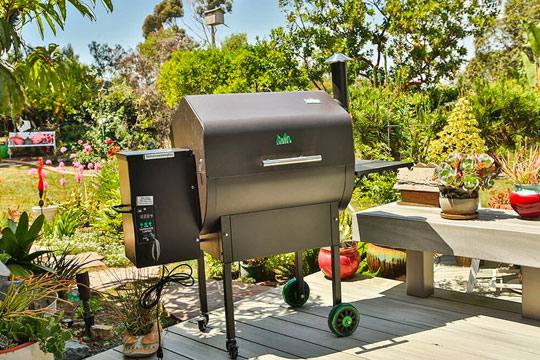
A pellet grill is the closest thing outdoor cooking has to a cheat code: real wood-fired flavor with the convenience of an oven. You pour hardwood pellets into a hopper, set a temperature, and an auger plus a digital controller handle the rest. Brisket at 2 AM without babysitting a firebox — that's the pitch, and for the most part, it delivers.
But not all pellet grills are equal. Temperature swings, thin steel, weak smoke flavor at high heat, and apps that crash mid-cook are the complaints that show up again and again in owner reviews. This guide cuts through the marketing and focuses on what actually separates a great pellet grill from an expensive disappointment. Everything below is drawn from manufacturer spec sheets, owner reviews across thousands of cooks, and expert roundups — no sponsored placements, no pay-to-rank.
What actually matters in a pellet grill
Temperature range and control. The single most important spec. A true PID controller holds the set temperature within a tight band — owners of the best grills report swings of just a few degrees. Cheaper controllers can swing 20–25°F or more, which reviewers consistently flag as "normal" on budget models. Look for a range that covers both low-and-slow smoking (around 180°F) and real grilling heat (500°F and up). If searing matters to you, pay attention to max temp: most pellet grills top out at 500°F, while a few reach 600°F or higher.
Smoke flavor. Here's the honest truth that comes up in every expert roundup: pellet grills produce milder smoke flavor than offset smokers or charcoal. Some brands counter this with dedicated smoke-boost modes that run extra smoke at low temps, and a few let you burn wood chunks alongside pellets. If deep bark and heavy smoke are your priority, temper expectations — or look at models with a dedicated smoke box.
Hopper capacity. Pellets burn roughly 1–1.5 lbs per hour at smoking temps and up to 3–4 lbs per hour at high heat. A 20+ lb hopper gets you through an overnight brisket without a 3 AM refill run. A pellet sensor or low-fuel alert is a genuinely useful feature, not a gimmick.
Build quality. Steel gauge matters more than it looks. Thin-bodied grills lose heat in wind and cold, burn more pellets, and swing more. Heavy-gauge steel and double-wall insulation hold temps steady and last years longer. Owner reviews are blunt about this: the grills people still love after five years are the heavy ones.
WiFi/app control. Nearly every current grill has it, but app quality varies enormously. The best apps give you temp graphs, probe monitoring, pellet-level alerts, and reliable remote control. Read recent app-store reviews, not just the grill reviews — a great grill with a broken app is a common complaint.
Cooking area. Match it to how you actually cook. A family of four is comfortable on 600–800 square inches. If you regularly cook for crowds or want a full packer brisket plus sides, look at 900+.
The picks
Traeger Woodridge Pro — Best overall
Check current price: Traeger Woodridge Pro Pellet Grill
Traeger invented the pellet grill category, and the Woodridge Pro is the current sweet spot of their lineup. The spec sheet reads like a greatest-hits list: 970 square inches of cooking space across two racks, a 180–500°F temperature range, a 24 lb hopper, WiFIRE app control, Super Smoke mode, a digital pellet sensor, and Keep Warm mode.
What keeps it at the top of expert roundups is the balance. The Traeger app remains the most polished in the category — owners consistently praise its reliability, cook graphs, and recipe library, which matters when you're trusting your phone with a 12-hour brisket. Super Smoke mode genuinely adds noticeable wood-fired flavor at low temps, addressing the classic pellet-grill smoke complaint. The EZ-Clean grease and ash keg makes cleanup one of the easiest in the class.
Weaknesses, honestly stated: build quality is good but not tank-like — owners and reviewers note it's lighter and less sturdy than the Ironwood line, and smoke can leak around the lid since there's no gasket. Above about 325°F, smoke flavor drops off noticeably, which is true of most pellet grills but worth knowing. And the 500°F ceiling means searing is adequate, not spectacular.
For the man buying his first serious pellet grill who wants the biggest ecosystem, the best app, and a proven track record, this is the default recommendation.
Weber Searwood XL 600 — Best for searing
Check current price: Weber Searwood XL 600 Pellet Grill
The Searwood exists because Weber looked at the pellet grill market and asked one question: why can't these things sear? The answer is DirectFlame cooking and a 600°F max temperature — the hottest in the mainstream pellet class. The full grate acts as a sear zone, so you're not crowding steaks onto a tiny hot spot.
Beyond the sear story, the specs are strong: 972 square inches of total cooking area, a 20 lb hopper with a fuel gauge, Rapid React PID controller that recovers temp quickly after you open the lid, SmokeBoost mode for extra flavor at 180°F, and the Weber Connect app with WiFi and Bluetooth, live cook graphs, and readiness alerts. Heat-up time is listed at 15 minutes or less.
Owner feedback highlights even cooking and the genuine usefulness of the sear capability — this is the pellet grill for the guy who refuses to own both a smoker and a gas grill. The trade-offs: 20 lbs of hopper is on the smaller side for overnight cooks, and Weber's pellet grill ecosystem (accessories, community, recipes) is younger than Traeger's. But if your cooking splits evenly between low-and-slow and hot-and-fast, nothing else in the class does both this well.
Camp Chef Woodwind Pro 24 — Best smoke control
Check current price: Camp Chef Woodwind Pro 24 Pellet Grill
The Woodwind Pro's party trick is the Smoke Box: a dedicated chamber that lets you burn wood chunks and chips alongside pellets, which gets you closer to offset-smoker flavor than any other pellet grill in its price class. For the smoke-obsessed buyer, this is the feature that matters most.
The rest of the package backs it up: a Gen 3 PID controller that owners report holds temps tightly, 811 square inches of cooking space (the 36-inch version stretches to 1,236), a 22 lb hopper, and Camp Chef's famously good ash cleanout system. The Slide and Grill direct-flame feature is worth noting — it's on the standard Woodwind, not the Pro, so don't buy the Pro expecting that specific feature.
Reviewers consistently rank the Woodwind Pro at or near the top for smoke flavor among pellet grills, and the build quality punches above its price. The app is solid if not Traeger-level polished. The main knock: it's a Camp Chef, so the brand prestige and resale value trail Traeger and Weber. If flavor is your religion and brand name isn't, this is your grill.
recteq Flagship 1100 — Best build quality
Check current price: recteq Flagship 1100 Pellet Grill
recteq built its reputation on one idea: overbuild everything. The Flagship 1100 is the embodiment — heavy-gauge stainless steel construction, a 40 lb hopper (the largest here by a wide margin), around 1,100 square inches of cooking space, and a temperature range that stretches from 180°F all the way to 700°F for genuine searing.
Owner reviews are where recteq shines brightest. Temperature stability reports of ±2–3°F even in wind and rain show up repeatedly, and the warranty coverage is among the best in the business — a frequent point of comparison against Traeger's shorter 3-year coverage. The 40 lb hopper means multi-day cooks without refilling, full stop.
The honest downsides: it's heavy (over 200 lbs — this is a patio commitment, not something you wheel around), the app and smart features trail Traeger's polish, and the price sits above the mainstream picks. But owners who buy recteq tend to become evangelists, and the reason is simple: the thing is built like commercial equipment and cooks like it.
Pit Boss 850DX — Best budget pick
Check current price: Pit Boss 850DX Pellet Grill
Let's be straight: the 850DX doesn't compete with the grills above on precision or build. What it does is put a large, functional pellet grill in your backyard for hundreds less. You get a big cooking surface, a wide temperature range, and the core pellet-grill experience — set it, monitor it, eat well.
The trade-offs are real and well-documented by owners. Temperature swings are wider than premium models — Pit Boss's own materials acknowledge swings in the ±25°F range as normal, and some owners report more. The controller and app are functional rather than refined. Build quality is adequate for the price but not heirloom-grade.
So who is this for? The man who wants to find out whether pellet grilling is his thing without dropping four figures. If you cook on it weekly for two seasons and love it, you'll know exactly what to upgrade to — and you'll have spent less than the price difference learning. If it gathers dust, you're out half the money. That's a rational bet.
Comparison table
| Grill | Cooking area | Temp range | Hopper | Standout feature |
|---|---|---|---|---|
| Traeger Woodridge Pro | 970 sq in | 180–500°F | 24 lb | Best app + Super Smoke mode |
| Weber Searwood XL 600 | 972 sq in | 180–600°F | 20 lb | DirectFlame searing |
| Camp Chef Woodwind Pro 24 | 811 sq in | 160–500°F | 22 lb | Wood-chunk Smoke Box |
| recteq Flagship 1100 | ~1,100 sq in | 180–700°F | 40 lb | Tank build, huge hopper |
| Pit Boss 850DX | ~850 sq in | 180–500°F | ~20 lb | Budget entry point |
Frequently asked questions
Do pellet grills produce enough smoke flavor? Less than an offset smoker or charcoal — that's the honest answer across every expert roundup. Models with smoke-boost modes and wood-chunk boxes (like the Camp Chef) close the gap meaningfully. For most backyard cooks, the convenience trade is worth it.
How much do pellets cost to run? Expect roughly 1–1.5 lbs per hour at smoking temperatures and 3–4 lbs per hour at high heat. A 20 lb bag typically runs $15–25 depending on brand and wood type, so an overnight brisket costs a few dollars in fuel.
Can a pellet grill replace my gas grill? Mostly, with one caveat: searing. Standard pellet grills top out at 500°F, which sears adequately but not fiercely. If you sear steaks weekly, the Weber Searwood (600°F) or recteq Flagship (700°F) are the honest answers.
Do I need WiFi on a grill? For long smokes, yes — it's the difference between freedom and hovering. Pellet-level alerts and probe notifications mean you can run errands during a 12-hour cook. Just check recent app reviews before you commit.
How long does a pellet grill last? Heavier-gauge steel grills routinely run 7–10+ years with basic maintenance (covering it, cleaning the firepot, emptying ash). Thin-bodied budget models average 3–5. The igniter rod is the most common failure point across all brands and is usually a cheap, easy fix.
The bottom line
Buy the Traeger Woodridge Pro if you want the safest all-around bet with the best app. Buy the Weber Searwood XL 600 if searing matters as much as smoking. Buy the Camp Chef Woodwind Pro 24 if smoke flavor is your top priority. Buy the recteq Flagship 1100 if you want to buy once and never think about it again. Buy the Pit Boss 850DX if you want in cheap and want to learn what you actually care about before spending real money.