Best Shop Vac for Woodworking Dust: Buyer's Guide & Top Picks
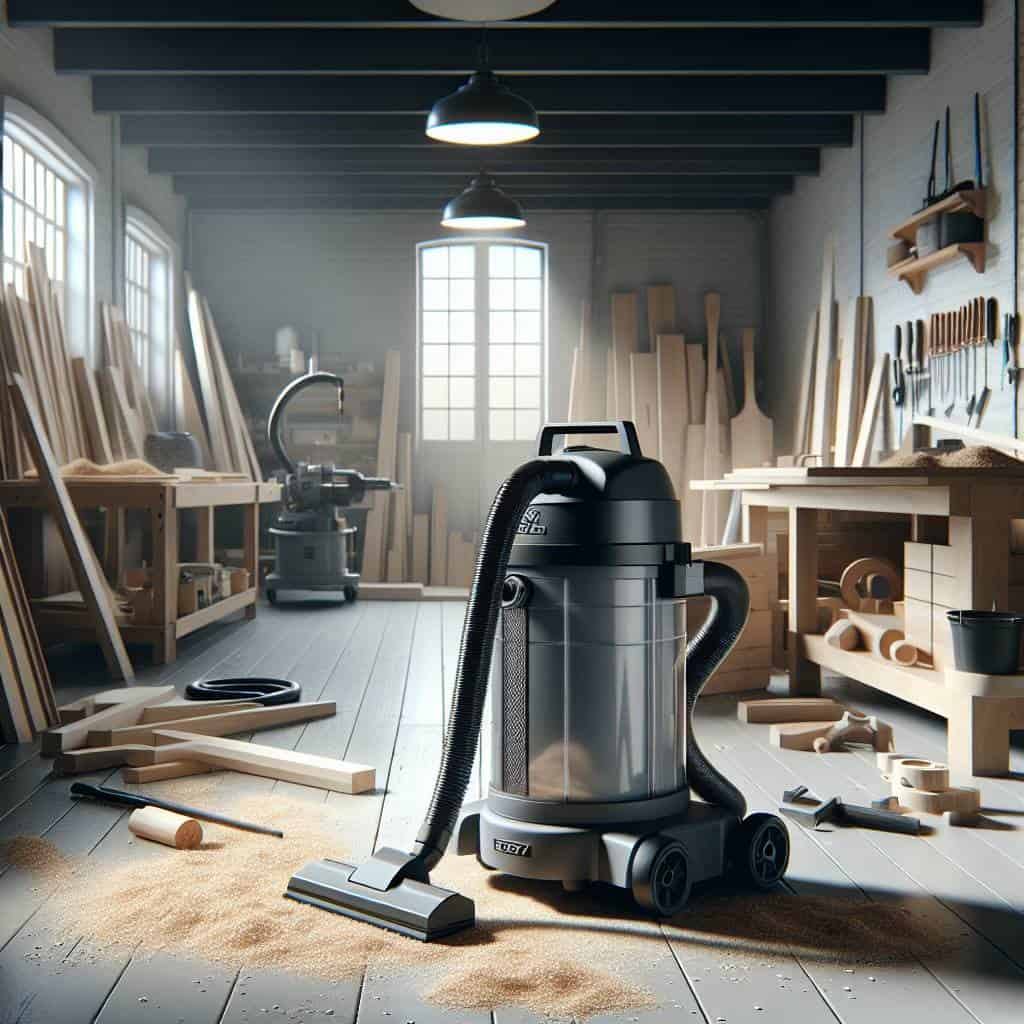
Walk into any hardware store and you'll see a wall of shop vacs screaming "6.5 PEAK HP!" like it's the only number that matters. It isn't. For woodworking dust — fine, airborne, and bad for your lungs — the right pick comes down to airflow, filtration, and how you'll actually use it in the shop. This is a research-based roundup of what to look for, where marketing lies, and which machines reviewers and woodworkers consistently recommend at each tier.
First: Dust Collection vs. Cleanup (They're Different Jobs)
Before spending anything, decide which job you need a vac to do:
- Cleanup: vacuuming the floor, bench, and inside cabinets after you're done. Almost any decent shop vac handles this.
- Tool dust extraction: hooking the vac directly to a sander, router, miter saw, or track saw while you work. This demands constant high airflow, good filtration, and ideally auto-start and a small hose — a different class of machine.
A plain shop vac is a cleanup tool. A dust extractor (like the Fein Turbo II or Festool class) is a cleanup tool plus a tool-connected dust collector. Buy for the job you'll do most. If you're sanding for hours with a dust port open, you want an extractor. If you're sweeping up planer shavings, a big wet/dry vac is cheaper and faster.
Specs That Matter (And the One That Doesn't)
CFM (airflow) — the spec that matters most
CFM (cubic feet per minute) is the real measure of how much air — and therefore dust — a vac moves. More CFM means better pickup at the nozzle and better performance hooked to a dust port. For reference, a typical 14-gallon Ridgid-class vac moves around 150–180 CFM, while a premium dust extractor like the Fein Turbo II is rated around 150 CFM with much higher static lift.
Static lift (inches of water) — matters more than you think
Static lift measures sealed suction strength. Woodworking tool ports are small (1–1.5"), so the vac needs to pull hard through a narrow restriction. Dust extractors are engineered for this: ~95+ inches of water lift versus a standard shop vac's much lower figure. This is why a 150-CFM extractor often outperforms a "6 HP" shop vac on a sander.
Peak HP — marketing, mostly ignore it
"Peak HP" is the theoretical maximum the motor can hit for an instant before burning out. Two vacs labeled "6.0 peak HP" can perform very differently. If you need a single electrical-efficiency number, air watts is more honest — but CFM plus lift tells the story better.
Filtration — the lung protection question
This is the second-most important spec after airflow, and the one budget vacs skimp on. Fine wood dust (especially from MDF, walnut, and exotics) is a health hazard. Look for:
- HEPA-rated filter (99.97% at 0.3 microns): the gold standard. Many shop vacs accept an upgrade HEPA cartridge filter.
- Fine-dust bags: pre-filter bags dramatically extend filter life and catch the finest particles before they hit the cartridge. Reviewers consistently call these the single best accessory for any shop vac.
- Filter cleaning: premium extractors have automatic filter cleaning (pulse-clean cycles) so suction doesn't fade mid-job.
Capacity — match it to your debris
- Under 10 gallons: portable, great for a small shop or carrying to the site. Fills fast with planer shavings.
- 12–16 gallons: the sweet spot for a home woodshop — big enough for cleanup without constant emptying, still movable.
- 16+ gallons: mostly for dedicated cleanup of bulky debris; overkill and clumsy as a tool extractor.
Noise
Shop vacs are loud — typically 75–85+ dB. Some lines (Ridgid's noise-reduction designs, Fein's 66 dB rating) are meaningfully quieter. If you work in a garage near living space, this matters. Realistically, expect to wear hearing protection with any of them under heavy use.
Hose size and accessories
- 2-1/2" hoses move more air — best for general cleanup and big ports.
- 1-1/4" / 35mm hoses are the standard for connecting to sanders and routers (via step adapters).
- Look for locking hose ends (they stay attached), crush-resistant hoses, and decent onboard storage so accessories don't migrate to the back of the shop.
Top Picks
Best overall: Ridgid 14-gallon shop vac (WD1450 / HD1400-class)
The 14-gallon Ridgid is the default answer for a reason. Around 150–180 CFM, a 2-1/2" hose, 20-foot cord, and a drum big enough for real cleanup — plus a wide availability of fine-dust and HEPA upgrade filters. Reviewers consistently praise the noise-reduction design (one of the quieter budget vacs) and the locking Dual-Flex hose. It's a cleanup workhorse, not a true dust extractor, but paired with a dust bag and fine-dust filter it's genuinely effective for shop dust.
Who it's for: the home woodworker who mainly needs post-project cleanup plus occasional tool hookup.
Pros:
- Excellent value per CFM
- Big capacity, long cord and hose reach
- Cheap, widely available filters and dust bags
- Noticeably quieter than most budget vacs
Cons:
- Not HEPA-rated out of the box — factor in the upgrade filter and bags
- 1-1/4" tool hookup needs an adapter
- No auto-start outlet or tool-triggered activation
- Bulky for small shops
Check current price: Ridgid 14-gallon shop vac
Best budget pick: DeWalt 10-gallon stainless steel wet/dry vac
A step down in capacity but solid where it counts — strong airflow for its class, a stainless drum that shrugs off shop abuse, and the same 2-1/2" hose ecosystem. Reviewers note it punches above its price for cleanup duty and takes up less floor space. A sensible choice if you're outfitting a first shop and most of your dust still ends up on the floor.
Who it's for: beginners and small shops where footprint matters more than capacity.
Pros:
- Compact for the suction it delivers
- Durable stainless tank
- Good accessory compatibility
Cons:
- 10 gallons fills quickly with bulky shavings
- Louder than the Ridgid-class vacs
- Same story on filtration: budget for bags or a better filter
Check current price: DeWalt 10-gallon stainless shop vac
Best dust extractor (premium): Fein Turbo II-class HEPA extractor
When the job is collecting dust at the tool rather than cleaning it up afterward, an extractor earns its price. The Fein Turbo II class delivers ~150 CFM with very high static lift (~98" water), a genuine HEPA filter, an auto-start outlet that fires the vac when your tool starts, and noise levels (~66 dB) you can talk over. Woodworkers and trade reviewers consistently single out the long cord and hose, the tool-triggered outlet, and the auto-clean variants that keep suction from fading on long sanding sessions. This is the "buy once, cry once" pick.
Who it's for: anyone who sands, routes, or tracksaws regularly and wants the dust captured at the source.
Pros:
- True HEPA filtration out of the box
- High static lift — excellent through small tool ports
- Auto-start outlet and suction control
- Quiet for its class; great hose and cord reach
Cons:
- Several times the price of a basic shop vac
- Smaller capacity (8–9 gallons) than big cleanup vacs
- Replacement HEPA filters and bags cost real money
- 35mm hose is ideal for tools but slow for bulk floor cleanup
Check current price: Fein Turbo II HEPA dust extractor
Best for portability: compact 6–9 gallon vacs
If you carry your vac up stairs, into the house, or to a jobsite, a big 14-gallon drum is misery. Compact vacs in the 6–9 gallon range from the major brands give up capacity but stay easy to haul, and the better ones still include fine-dust filtration and decent hoses. Treat these as cleanup companions to a shop dust-collection system, not your primary extractor.
Who it's for: small shops, apartments-with-garages, and anyone who hauls tools to the work.
Pros:
- Light and easy to carry
- Cheaper than extractors
- Fine for bench and floor cleanup
Cons:
- Fill fast; filters clog faster
- Not built for continuous tool hookup
Check current price: compact 9-gallon shop vac
The smart middle ground: shop vac + cyclone separator
A cyclone separator lid (the bucket-top style) spun onto a 5-gallon bucket in front of any shop vac captures the vast majority of dust and chips before they ever reach the filter. Filter life goes way up, suction stays consistent, and emptying a bucket is easier than cleaning a filter. It's the single most cost-effective upgrade in this whole guide.
Who it's for: anyone keeping a budget vac but tired of clogged filters.
Check current price: cyclone dust separator lid
Comparison Table
| Pick | Capacity | Airflow (CFM) | Filtration | Noise | Best For |
|---|---|---|---|---|---|
| Ridgid 14-gal (WD1450/HD1400-class) | 14 gal | ~150–180 | Fine-dust filter; HEPA upgrade available | Moderate (noise-reduction design) | Best overall cleanup |
| DeWalt 10-gal stainless | 10 gal | ~140–160 | Fine-dust filter; bags available | Louder | Budget / small shop |
| Fein Turbo II-class extractor | 8.4 gal | ~151 | True HEPA included | ~66 dB (quiet) | Tool-connected dust extraction |
| Compact 6–9 gal vac | 6–9 gal | ~100–140 | Varies; check for fine-dust filter | Varies | Portability |
| Any vac + cyclone separator | Adds bucket | No loss (minor) | Extends filter life hugely | No change | Filter-life upgrade |
Figures are representative of each class based on manufacturer specs and reviewer reports; check the specific model before buying.
Buying Tips That Actually Save You Money
- Buy the dust bags first. Pre-filter bags are cheap, catch the finest dust before the cartridge, and extend filter life dramatically. Reviewers call them the best accessory for any shop vac, full stop.
- Ignore peak HP; compare CFM. It's the only apples-to-apples suction number on the box.
- Match the hose to the job. 2-1/2" for cleanup, 1-1/4"/35mm for tool ports. Adapters exist — but they're a band-aid, not a strategy.
- Think about emptying. A drum that's a pain to empty won't get emptied. Bagged vacs win here.
- Wood dust is a health issue, not just a mess issue. If you sand a lot, filtration quality justifies spending more than airflow bragging rights do.
FAQ
How many CFM do I need in a shop vac for woodworking?
For cleanup, 140+ CFM is plenty. For connecting to tools with small ports, prioritize static lift and constant airflow under load over the raw CFM number — that's where extractors pull ahead.
Is peak HP meaningless?
Effectively, yes, for comparing across brands. It's a momentary-maximum rating, not continuous performance. CFM and air watts are far more useful.
Do I need a HEPA filter for wood dust?
It's strongly recommended, especially for sanding dust and MDF. Standard fine-dust filters catch visible dust; HEPA-rated filtration (99.97% at 0.3 microns) catches the respirable particles that matter for your lungs.
Shop vac or dust extractor — what's the difference?
A shop vac is a high-volume, lower-cost cleanup machine. A dust extractor is engineered for continuous tool-connected use: higher static lift, HEPA filtration, auto-start outlets, quieter operation, and smaller hoses suited to tool ports.
Can I use a shop vac for a miter saw or table saw?
For a miter saw's dust port, yes — a vac with a step adapter helps, though miter saws are notoriously hard to collect from. A table saw's 4" port really wants a proper dust collector, not a shop vac; a vac can still help with above-table cleanup.
How often should I replace the filter?
With dust bags and a cyclone, a cartridge filter can last a year or more of hobby use. Without them, check monthly — a clogged filter can cut suction in half and blow fine dust back into the room.
Are quiet shop vacs actually quiet?
Quieter, not quiet. The better designs shave off several decibels, which is noticeable. But treat all of them as hearing-protection territory under load.
What's the best cheap upgrade for my existing shop vac?
A cyclone separator plus pre-filter bags. Together they keep the cartridge nearly clean, maintain suction, and cost less than a tank of gas.
Verdict
For most home woodworkers, the best shop vac for woodworking dust is a big, honest 14-gallon wet/dry vac in the Ridgid class — high real-world CFM, a fine-dust filter (or HEPA upgrade), and pre-filter bags. It's the best cleanup value in the shop.
If your dust problem is at the tool — hours of sanding, routing, or track-sawing — skip the bigger vac and step up to a true dust extractor like the Fein Turbo II class: real HEPA filtration, high static lift, auto-start, and noise you can live with.
And whatever you buy, add a cyclone separator and dust bags. They're the cheapest meaningful upgrades in all of dust management.