The 6 Best Work Boots for Construction and the Workshop (2026)
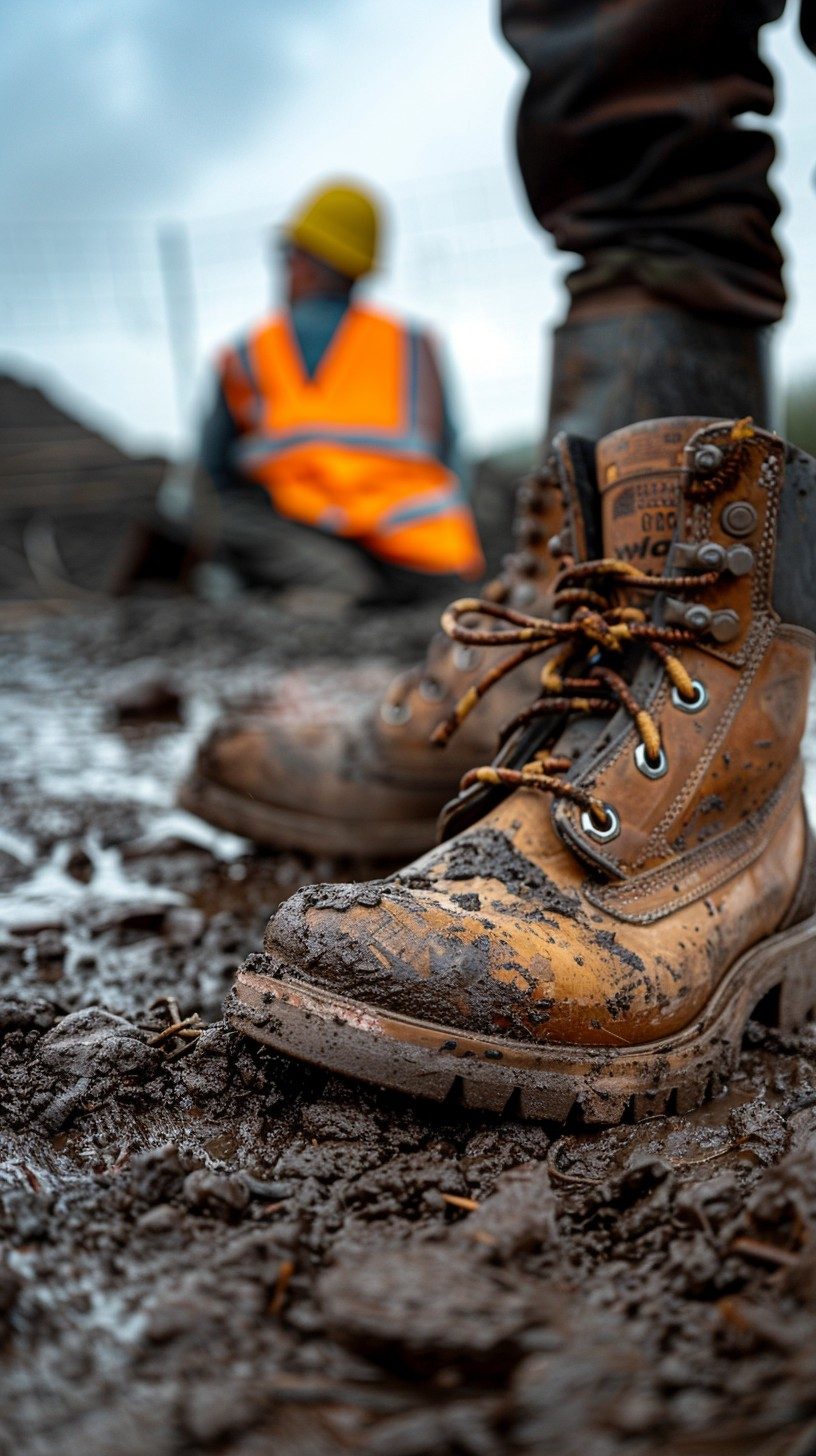
Your boots are the foundation everything else stands on — literally. Bad boots mean sore feet by lunch, rolled ankles on rough ground, and crushed toes when something heavy goes where it shouldn't. Good boots disappear: you lace them up, forget them for ten hours, and your feet feel fine at quitting time. This guide covers boots that earn that — safety toes where they count, real waterproofing, and build quality that survives the jobsite.
This guide is research-based, not sponsored. Rankings come from manufacturer spec sheets, owner reviews across major retailers, and expert roundups. Nobody sent us free boots and nobody paid for placement. Here's what the data says actually matters, and which boots earn their keep.
What Actually Matters in a Work Boot
Safety toe: steel vs. composite vs. alloy. Steel toes are the classic — maximum protection, lowest cost, but heavier and cold in winter. Composite toes are lighter, don't conduct cold or heat, and won't set off metal detectors. Alloy toes split the difference. All three meet the same ASTM impact and compression standards when certified — the rating matters more than the material.
Wedge vs. lugged soles. Wedge soles (flat, light-colored) are the concrete-floor king — comfortable for all-day standing on flat surfaces, and they don't track mud indoors. Lugged soles grip better on dirt, gravel, and mud. Match the sole to your ground: shop floor gets a wedge, jobsite gets lugs.
Waterproofing. "Water-resistant" means it'll survive a splash. "Waterproof" — with a membrane like GORE-TEX or the brand's own liner — means standing water and rain don't get in. If you work outdoors, don't accept less than a waterproof membrane.
Construction and resoleability. Goodyear welted and stitchdown boots can be resoled — a $100 resole beats a $300 replacement, and the boot fits better the second time around. Cemented (glued) boots can't. For a boot you plan to keep for years, welted construction is worth the premium.
Fit and break-in. The best boot in the world is worthless if it doesn't fit your foot. Order from somewhere with free returns, wear them indoors for a few days, and don't trust "they'll break in" for real pain — discomfort breaks in, pain doesn't.
The Picks
Thorogood American Heritage 6-Inch Moc Toe MAXWear Wedge
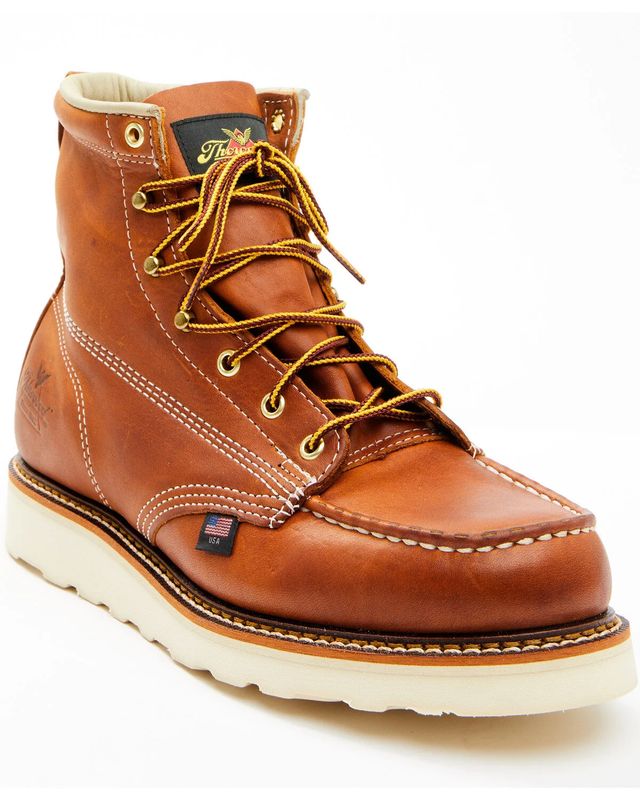
Why it wins overall. The Thorogood American Heritage is the boot that working men recommend to other working men, and owner feedback explains why: full-grain leather, a Goodyear storm welt (resoleable — this boot can live a decade), and the MAXWear wedge sole that's slip-resistant on concrete and comfortable for 10-hour days on flat floors. The moc toe design gives your toes room to spread instead of squeezing them into a point.
It's made in the USA, and it comes in both safety-toe and soft-toe versions — buy the safety toe if your site requires it, the soft toe if you want maximum comfort for shop work. Owners consistently report the break-in as short and the durability as exceptional, with the wedge sole wearing like iron on concrete. Around $200–260 depending on configuration.
Weaknesses. The wedge sole is mediocre on mud and loose gravel — this is a flat-ground boot. It's not the lightest option, and the classic styling won't win fashion points (though plenty of men consider that a feature). Waterproofing depends on the variant — check the specific model.
Best for: The default right answer for construction and shop work on flat ground — comfortable, resoleable, American-made.
Check current price: Thorogood American Heritage 6-Inch Moc Toe MAXWear Wedge
KEEN Utility Cincinnati 6-Inch Composite Toe Waterproof Wedge
Why it wins for composite toe. The KEEN Utility Cincinnati 6" checks every box on the modern safety-boot list: a carbon-fiber/composite safety toe (lighter than steel, metal-detector friendly), KEEN.DRY waterproof membrane, and an oil- and slip-resistant wedge outsole — all in a welted build that can be resoled. It's the boot for men who want full safety certification without the weight penalty of steel.
Owners consistently report the out-of-box comfort as exceptional — KEEN's wider fit works well for men with wide feet, and the waterproofing holds up to real rain and standing water. The composite toe doesn't turn into an icebox in winter the way steel does. Around $190–230.
Weaknesses. KEEN's roomier fit can feel sloppy for narrow feet — try before you commit if you're between widths. The styling is unabashedly modern work-boot, not heritage. Some owners report the wedge sole wearing faster on abrasive concrete than the Thorogood's.
Best for: Safety-toe protection at the lowest weight — especially for wide feet and cold weather.
Check current price: KEEN Utility Cincinnati 6-Inch Composite Toe Waterproof Wedge
Timberland PRO Pit Boss 6-Inch Steel Toe
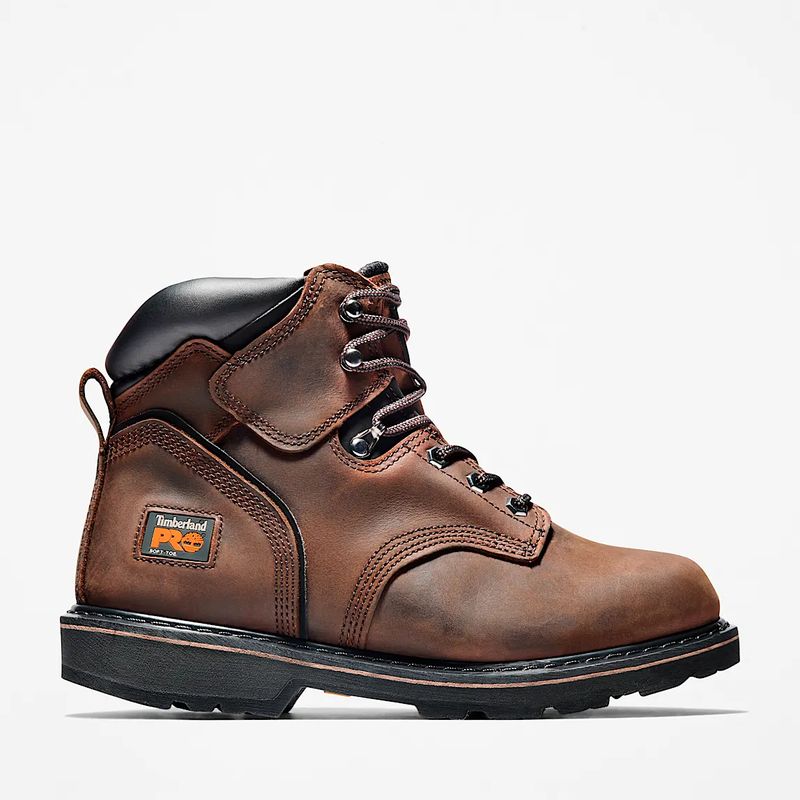
Why it wins for value. The Pit Boss is the best-selling work boot in America for a reason: an ASTM-certified asymmetrical steel toe, electrical hazard protection, and Timberland PRO's 24/7 Comfort Suspension system — arch support plus cushioning that owners consistently say makes 12-hour shifts survivable — for around $120–150. That's safety-boot protection at sneaker-boot money.
The nubuck leather upper with Goodyear welt stitching holds up to abuse, the heat-, oil-, slip-, and abrasion-resistant outsole grips across surfaces, and the roomier toe box avoids the toe-crush that cheaper steel toes inflict. Expert roundups keep it on "best value" lists year after year because nothing else delivers this much certified protection this cheap.
Weaknesses. Availability has been inconsistent — some US retailers have shown thin or no stock recently, so confirm your size is actually in stock before ordering. It's heavier than composite-toe competitors, and the steel toe conducts cold. The styling is pure jobsite, not workshop-casual.
Best for: Maximum certified protection per dollar — the working man's value king, when you can find your size.
Check current price: Timberland PRO Pit Boss 6-Inch Steel Toe
Danner Quarry USA 8-Inch Waterproof
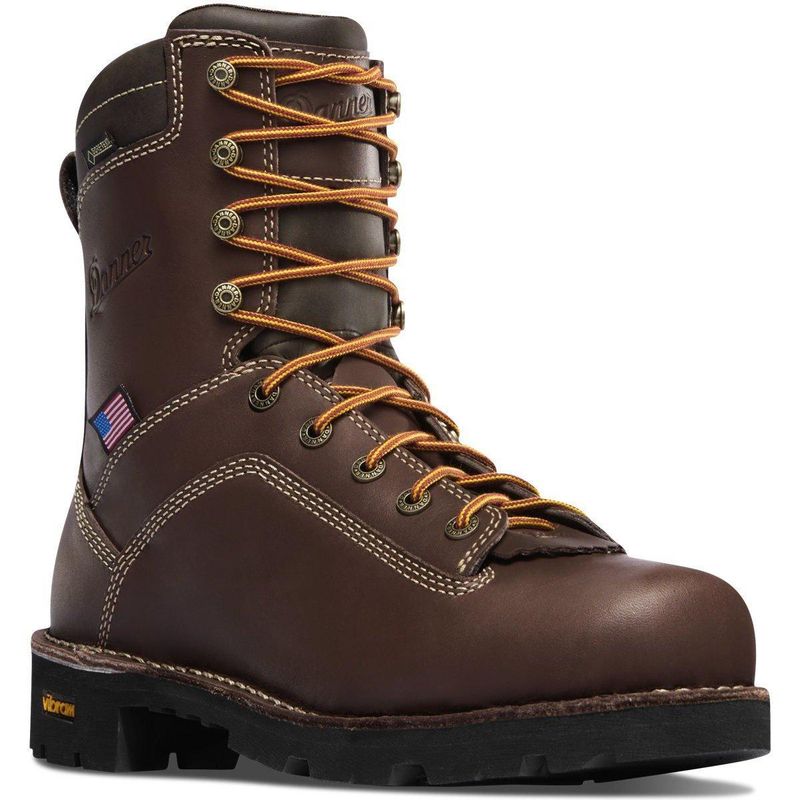
Why it wins for heavy-duty. The Quarry USA is Danner's flagship work boot, now built in their Portland, Oregon factory: full-grain leather, a 100% waterproof and breathable GORE-TEX liner, and Danner's exclusive Vibram Quarry outsole with a 90-degree heel and oil- and slip-resistant compound. The stitchdown construction provides a wider, more stable platform underfoot — and it's recraftable, so Danner can rebuild them when they wear out.
Owners consistently describe the Quarry as the boot that ends the boot search — the 8-inch height supports ankles on uneven ground, the triple stitching survives abuse that kills lesser boots, and the GORE-TEX liner keeps feet dry in genuine downpours. Electrical hazard protection and a fiberglass shank round out the jobsite credentials. Around $320.
Weaknesses. $320 is real money, and the 8-inch height runs warm in summer. They're heavy — 70 ounces a pair — and the break-in is real, not marketing. This is a boot you commit to, not a casual purchase.
Best for: Rough ground, bad weather, and men who want one boot for a decade — buy it for life, resole it forever.
Check current price: Danner Quarry USA 8-Inch Waterproof
Ariat Groundbreaker 6-Inch Work Boot
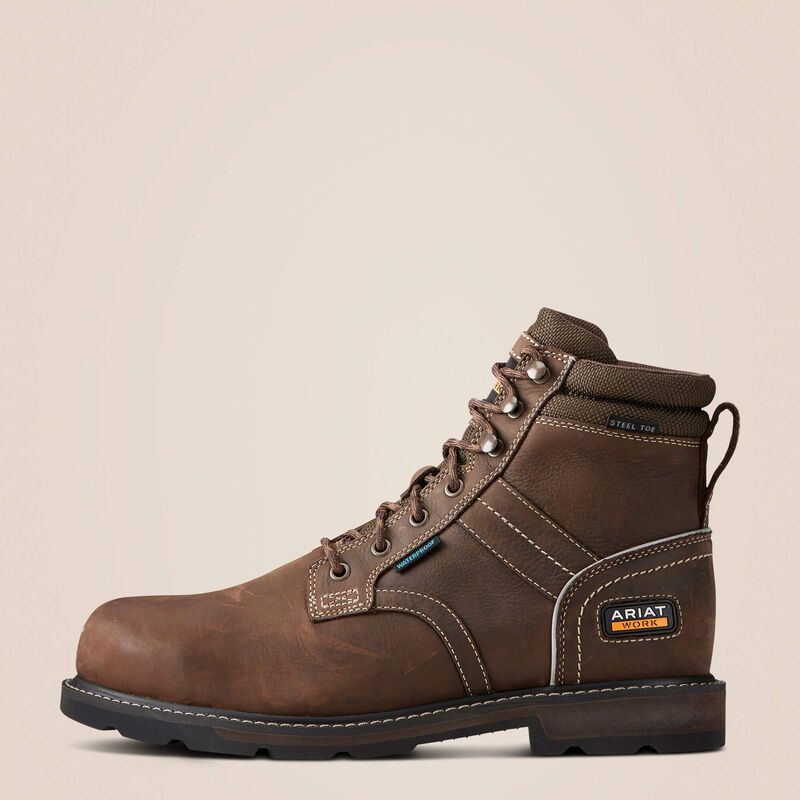
Why it wins for budget. The Ariat Groundbreaker (style 10016256) is the boot for the man who needs real work-boot function at around $100–130: full-grain leather, a 90-degree heel that locks into ladders and shovels, and Ariat's Duratread outsole that's oil- and slip-resistant. It's a soft-toe boot — no safety certification — which keeps it light and comfortable for general construction, farm, and shop work where steel toes aren't required.
Owners consistently report surprising durability at the price point, with the leather upper aging well and the sole holding up to daily wear. The wider square toe gives feet room, and the ATS (Advanced Torque Stability) platform supports all-day standing. For a first work boot or a beater pair for dirty jobs, it's the smart-money pick.
Weaknesses. Soft toe means no impact protection — if your site requires safety toes, this isn't your boot (Ariat makes steel-toe Groundbreaker variants, but that's a different model). No waterproof membrane on the base model, so wet work needs the waterproof version. Cemented construction means no resole — when it's done, it's done.
Best for: The budget work boot that doesn't feel like one — perfect for shop work and sites without safety-toe requirements.
Check current price: Ariat Groundbreaker 6-Inch Work Boot
Red Wing Iron Ranger
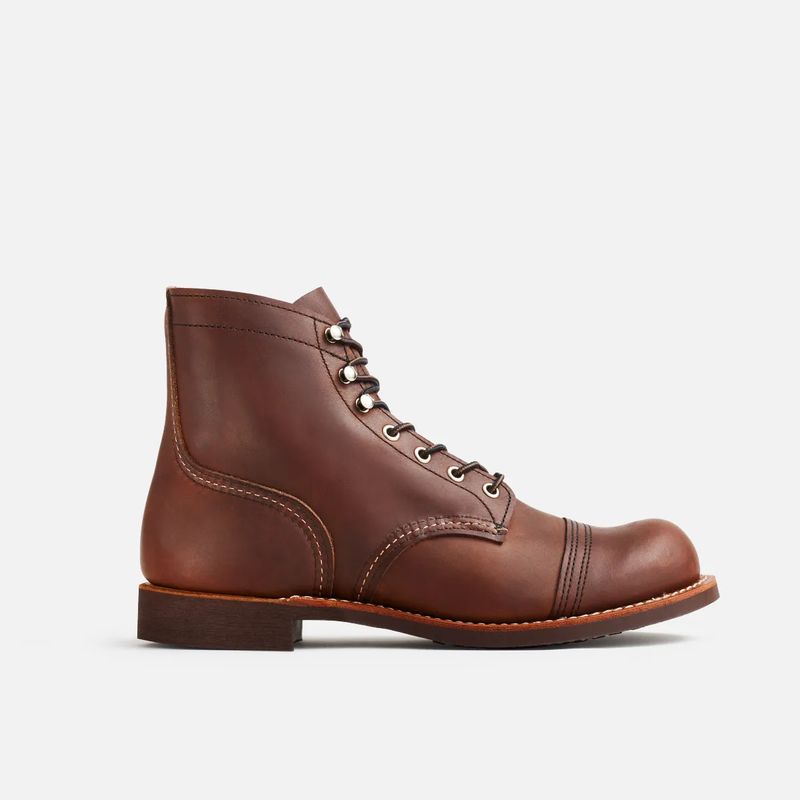
Why it wins for the workshop. The Iron Ranger isn't a certified construction boot — let's be clear about that upfront: it's a soft-toe heritage boot with no ASTM safety rating. But for the workshop, the garage, and light-duty work, owners consistently rank it among the most beloved boots ever made: premium leather that ages beautifully, Goodyear welt construction that's fully resoleable, and a build quality that routinely delivers a decade or more of service.
Red Wing's 2026 releases confirm the Iron Ranger remains a current, actively produced model, and the owner community around resoling and maintaining them is unmatched — this is a boot with a second and third life built in. The Vibram 430 mini-lug sole grips shop floors well, and the 6-inch height works with everything from jeans to work pants. Around $350–380.
Weaknesses. No safety toe, no electrical hazard rating, no waterproof membrane — this is not a jobsite boot and shouldn't be presented as one. The break-in is famously brutal; budget two to four weeks. Premium pricing for a boot without safety certifications.
Best for: The workshop, the garage, and everywhere that values craftsmanship over certifications — the boot you'll still own in 2036.
Check current price: Red Wing Iron Ranger
Head-to-Head Comparison
| Boot | Safety Toe | Waterproof | Sole Type | Resoleable | Approx. Price |
|---|---|---|---|---|---|
| Thorogood American Heritage 6" Moc Toe | Safety-toe / soft-toe versions | Varies by model | Wedge | Yes (Goodyear welt) | ~$200–260 |
| KEEN Utility Cincinnati 6" | Composite | Yes (KEEN.DRY) | Wedge | Yes (welted) | ~$190–230 |
| Timberland PRO Pit Boss 6" | Steel (ASTM) | Water-resistant | Lugged | Partial (welt stitching) | ~$120–150 |
| Danner Quarry USA 8" | Plain / alloy-toe versions | Yes (GORE-TEX) | Lugged (Vibram) | Yes (stitchdown) | ~$320 |
| Ariat Groundbreaker 6" | Soft toe | No (base model) | Lugged (Duratread) | No | ~$100–130 |
| Red Wing Iron Ranger | Soft toe (no rating) | No | Mini-lug (Vibram 430) | Yes (Goodyear welt) | ~$350–380 |
Prices are approximate street prices and shift with sales. Specs from manufacturer data; check the exact variant for safety certifications.
The 60-Second Decision Guide
- One boot for construction and the shop → Buy the Check current price: Thorogood American Heritage 6-Inch Moc Toe MAXWear Wedge. Resoleable, comfortable, American-made.
- Need a safety toe but hate the weight → Buy the Check current price: KEEN Utility Cincinnati 6-Inch Composite Toe Waterproof Wedge. Composite toe, waterproof, light.
- Tightest budget with real certifications → Buy the Check current price: Timberland PRO Pit Boss 6-Inch Steel Toe. Nothing certified costs less.
- Rough ground, bad weather, buy-it-for-life → Buy the Check current price: Danner Quarry USA 8-Inch Waterproof. GORE-TEX, Vibram, recraftable.
- Shop work, no safety-toe requirement, watching money → Buy the Check current price: Ariat Groundbreaker 6-Inch Work Boot. Real boot, ~$100.
- Workshop and garage, heritage quality → Buy the Check current price: Red Wing Iron Ranger. Not a jobsite boot — the one you'll own for decades.
- Whatever you buy → Match the sole to your ground (wedge for concrete, lugs for dirt), confirm the safety rating your site requires, and buy from somewhere with free returns.
Frequently Asked Questions
Steel toe vs. composite toe — which is better? Both meet the same ASTM impact and compression standards when certified. Steel is cheaper and time-tested but heavier and cold-conductive. Composite is lighter, warmer in winter, and metal-detector safe. Pick based on your work conditions, not internet arguments.
How long should a good work boot last? A cemented budget boot: 1–2 years of hard use. A welted or stitchdown boot with resoles: 5–10+ years. The math favors resoleable boots — a $100 resole on a $250 boot beats buying a new $130 boot every 18 months.
Do I really need waterproof boots? If you work outdoors in rain, mud, or standing water: yes, with a real membrane (GORE-TEX, KEEN.DRY). "Water-resistant" leather treatments help with splashes but won't survive a wet day. For indoor shop work, waterproofing is optional.
Wedge sole or lugged sole? Wedge for flat, hard surfaces — concrete floors, warehouses, shops. The flat profile maximizes contact and comfort for standing. Lugged for dirt, gravel, mud, and uneven ground where you need bite. Wearing wedges on a muddy jobsite is asking for a fall.
How do I break in work boots without destroying my feet? Wear them indoors for short periods over 1–2 weeks before full days. Thick work socks, not cotton athletic socks. Leather conditioner on full-grain uppers speeds the process. Real pain — not stiffness, pain — means the fit is wrong; return them.
Can I resole my boots, and is it worth it? Goodyear-welted and stitchdown boots (Thorogood, Danner Quarry, Red Wing) can be resoled for roughly $80–120 — worth it on a $200+ boot that's broken in to your feet. Cemented boots (most budget models) cannot be resoled economically.
The Verdict
Buy the Check current price: Thorogood American Heritage 6-Inch Moc Toe MAXWear Wedge if you want the one boot that does the most jobs well — comfortable on concrete, resoleable for a decade of service, and American-made. If your site demands certified protection at the lowest weight, the Check current price: KEEN Utility Cincinnati 6-Inch Composite Toe Waterproof Wedge is the modern answer; if it demands it at the lowest price, the Check current price: Timberland PRO Pit Boss 6-Inch Steel Toe remains the value king.
For rough ground and real weather, nothing here touches the Check current price: Danner Quarry USA 8-Inch Waterproof — it's the buy-it-for-life pick. And for the workshop, the Check current price: Red Wing Iron Ranger isn't a safety boot and doesn't pretend to be; it's the boot you hand down. Whichever you choose, buy the safety rating your site actually requires and break them in before the first full shift.